Neuropathy, a condition characterized by nerve damage, can lead to a range of debilitating symptoms including pain, tingling, and numbness. For those suffering from this often-chronic condition, finding effective treatment options is crucial. In recent years, shockwave therapy has emerged as a promising alternative for alleviating neuropathic pain and improving overall nerve function.
The Role of Shockwave Therapy in Treating Neuropathy Symptoms
Shockwave therapy is emerging as a promising treatment option for individuals suffering from neuropathy symptoms. This non-invasive procedure utilizes acoustic waves to stimulate healing in damaged tissues, promoting blood flow and reducing inflammation.
Neuropathy, often characterized by pain, tingling, or numbness in the extremities, can significantly impact a person’s quality of life. Traditional treatments may include medications or physical therapy; however, shockwave therapy offers an alternative that targets the underlying issues rather than merely masking the symptoms.
The treatment works by delivering high-energy sound waves to the affected areas. These waves promote cellular repair and regeneration while also enhancing nerve function. Many patients report improvements in their symptoms following a series of sessions, including reduced pain levels and improved sensory perception.
Moreover, shockwave therapy is generally well-tolerated with minimal side effects, making it an appealing option for those seeking relief from chronic neuropathic pain. As more research emerges on its effectiveness and applications, shockwave therapy could play a crucial role in comprehensive neuropathy management strategies.
Comparing Shockwave Therapy with Other Treatments for Neuropathy
When considering treatment options for neuropathy, Shockwave Therapy stands out as a non-invasive alternative. Unlike traditional methods such as medication or surgery, Shockwave Therapy utilizes acoustic waves to stimulate healing and improve blood flow in affected areas.
In contrast, medications often come with side effects and may only mask symptoms rather than address the underlying causes. Physical therapy can be beneficial but typically requires a longer commitment and may not provide immediate relief.
Moreover, surgical interventions carry inherent risks and are usually reserved for severe cases. Shockwave Therapy offers a promising option that is generally well-tolerated and can be used in conjunction with other treatments to enhance overall outcomes for patients suffering from neuropathy.
What to Expect During a Shockwave Therapy Session for Neuropathy
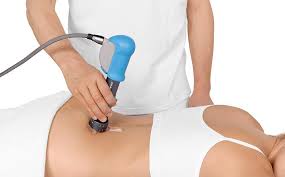
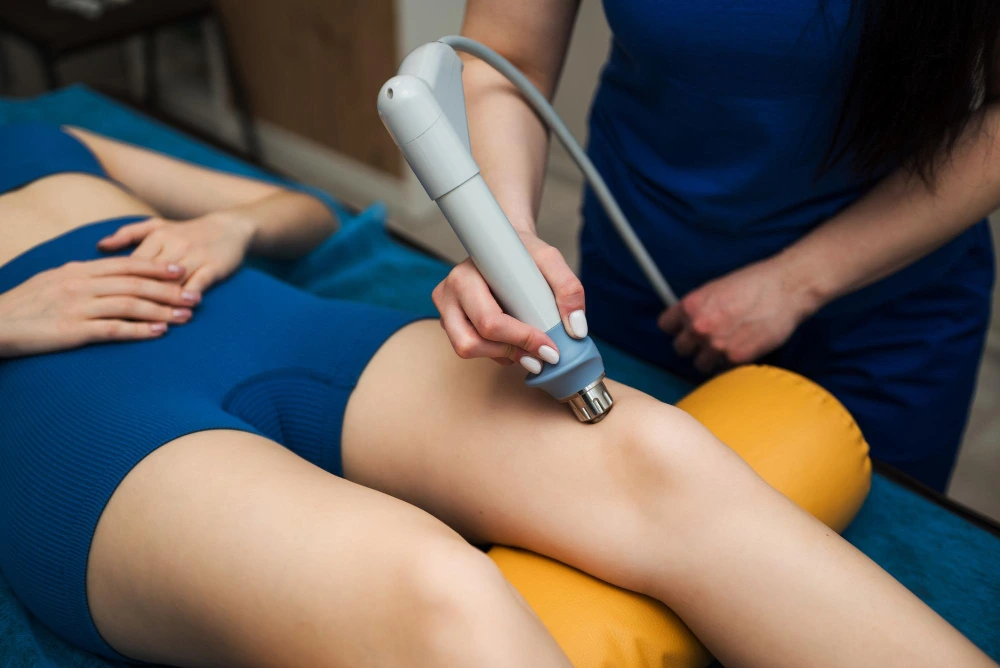
Shockwave therapy is an innovative treatment option for neuropathy that aims to alleviate pain and promote healing. During a typical session, patients can expect to be comfortably positioned while the therapist applies a handheld device that emits acoustic waves to the affected areas. This non-invasive procedure typically lasts between 15 to 30 minutes, depending on the severity of the condition and the specific areas being treated.
Before starting, practitioners will usually conduct a thorough assessment of the patient’s medical history and symptoms to tailor the treatment effectively. Patients may experience mild discomfort during the application of shockwaves, but this is generally well-tolerated. Many report feeling immediate relief post-session, although it may take several treatments to achieve optimal results.
Additionally, it’s essential for patients to discuss any concerns or questions with their healthcare provider beforehand. Understanding what to expect can help ease any anxiety and ensure a more comfortable experience throughout the therapy process. As shockwave therapy continues gaining recognition for its effectiveness in managing neuropathy symptoms, many individuals are finding renewed hope in their journey toward recovery.