Living with ongoing pain can affect almost every part of your day. Whether it comes from an old injury, a stubborn tendon problem, or a painful joint, finding effective relief can sometimes feel difficult. Focused shockwave therapy is a non-invasive treatment option that is gaining attention for its potential to support healing and reduce pain.
But what exactly is it, and how can it help?
What Is Focused Shockwave Therapy?
Focused shockwave therapy uses concentrated sound waves to deliver energy to a specific area of the body. Unlike treatments that work mainly on the surface, focused shockwaves can reach deeper tissues.
The treatment is designed to stimulate the body’s natural healing response. It may improve local blood flow, support tissue repair, and help reduce pain in certain musculoskeletal conditions.
How Does It Help With Pain?
Persistent pain can sometimes occur when injured or irritated tissues have difficulty healing properly. Focused shockwave therapy may help by stimulating biological processes involved in tissue recovery.
The energy delivered to the treatment area can encourage circulation and cellular activity. Over time, this may help support the body’s natural repair process.
The goal is not simply to mask pain. Instead, focused shockwave therapy aims to address some of the factors contributing to ongoing discomfort.
Conditions That May Benefit
Focused shockwave therapy may be used for a variety of soft-tissue and musculoskeletal problems. Depending on the individual, it may be considered for:
- Plantar fasciitis and heel pain
- Tennis elbow and golfer’s elbow
- Tendon-related injuries
- Shoulder pain
- Achilles tendon problems
- Chronic muscle pain
- Certain sports and overuse injuries
A healthcare professional can determine whether this treatment is suitable based on the cause and location of your pain.
What Happens During Treatment?
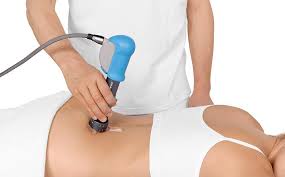
A focused shockwave therapy session is generally performed in an outpatient setting. The provider identifies the treatment area and positions the device over the affected tissue.
The device delivers controlled shockwaves to the targeted area. Some patients may experience mild discomfort during treatment, but the intensity can often be adjusted according to individual tolerance.
Sessions are typically relatively short, and there is usually little to no downtime. Your provider will recommend the number and frequency of sessions based on your condition and treatment goals.
Benefits of Focused Shockwave Therapy
One of the biggest advantages of focused shockwave therapy is that it is non-invasive. It does not require surgery or incisions and may allow you to return to normal activities quickly.
Other potential benefits include:
- Targeted treatment of painful areas
- Support for the body’s natural healing process
- No surgical incision
- Minimal downtime
- Useful for certain chronic and stubborn conditions
- Can be combined with rehabilitation and other conservative treatments
Results can vary, and improvement may occur gradually rather than immediately.
Is It Right for You?
Focused shockwave therapy can be a valuable option for people who have not achieved enough relief from conventional approaches. However, it is not appropriate for every condition or every patient.
A proper evaluation is important to identify the underlying cause of pain and determine whether shockwave therapy is suitable.
Take a Step Toward Pain Relief
You do not have to let persistent pain limit your movement and everyday activities. Focused shockwave therapy offers a modern, non-invasive approach that may support healing and improve comfort.
If you are struggling with ongoing muscle, tendon, or joint pain, speak with a qualified healthcare professional to find out whether focused shockwave therapy could be part of your personalized treatment plan.