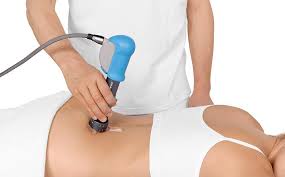
Shockwave therapy is a non-invasive treatment that uses high-energy sound waves to stimulate the body’s natural healing processes. These acoustic waves are directed at injured tissues—such as tendons, ligaments, or muscles—to improve blood flow, break down calcifications, and reduce pain.
It has become popular because it often offers relief where traditional treatments like rest, medication, or basic physiotherapy haven’t worked well enough. Sessions are quick, there’s little to no downtime, and the risks are relatively low compared to surgery or injections. As patients and clinicians look for effective, evidence-based options with faster recovery and fewer side effects, shockwave therapy has emerged as a standout choice.
How Effective Is Shockwave Therapy for Plantar Fasciitis and Heel Pain?
Shockwave therapy has emerged as a promising, non‑invasive option for stubborn plantar fasciitis and chronic heel pain. It works by delivering high‑energy sound waves to the affected tissue, stimulating blood flow and kick‑starting the body’s natural healing response.
Studies show that many patients experience significant pain reduction and improved function, especially when conservative treatments like rest, stretching, orthotics, and anti‑inflammatories haven’t provided enough relief.
Results are not instant; improvement typically builds gradually over several weeks after a short series of sessions. While some people feel temporary soreness during or after treatment, serious side effects are rare when performed by a trained clinician. Shockwave therapy isn’t a guaranteed cure, but for persistent heel pain, it can be an effective next step before considering more invasive options such as injections or surgery.
Shockwave Therapy for Tendon and Sports Injuries: Does It Really Work?
It is most commonly used for chronic conditions like plantar fasciitis, Achilles tendinopathy, tennis elbow, and stubborn shoulder or hip tendon pain that hasn’t improved with rest, physiotherapy, or medication. The shockwaves are thought to increase blood flow, break down painful tissue changes, and trigger the body’s natural repair processes.
Research shows it can significantly reduce pain and improve function in many chronic tendon problems, especially when combined with a structured rehab and strengthening program. However, results can vary: some people experience clear benefits after a few sessions, while others notice only modest change. It is generally safe, with temporary soreness or redness as the most common side effects.
Shockwave therapy is not a magic cure, but for persistent tendon and sports injuries, it can be a valuable option to discuss with a sports medicine or physiotherapy professional.
Comparing Shockwave Therapy to Other Treatment Options
When comparing shockwave therapy to other treatment options like rest, physical therapy, injections, or surgery, its main advantage is that it targets the injured tissue non-invasively and stimulates natural healing. Unlike painkillers or steroid injections, which mostly mask symptoms, shockwave therapy aims to address the root cause by improving blood flow and breaking down damaged tissue. It also involves minimal downtime compared to surgery and is generally safer, with fewer side effects. However, it may require several sessions, can be uncomfortable during treatment, and isn’t suitable for every condition or every patient, so it’s best weighed against other options with a qualified clinician.