Blog

  • Get Back in the Game Faster: Advantages of Shockwave Therapy for Sports Injuries

    Get Back in the Game Faster: Advantages of Shockwave Therapy for Sports Injuries

    Sports injuries can happen to anyone, from professional athletes to people who enjoy regular workouts. Whether it is a muscle strain, tendon injury, or persistent joint pain, these problems can affect performance and limit everyday activities. While rest and traditional treatments can help, some injuries need additional support for recovery. Shockwave therapy is a non-invasive treatment option that may help manage pain, support tissue healing, and improve mobility.

    Let’s explore the major advantages of shockwave therapy for sports injuries and how it can support an active lifestyle.

    What Is Shockwave Therapy?

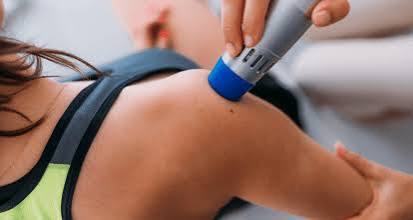
    Shockwave therapy is a non-surgical treatment that uses acoustic pressure waves to stimulate the affected tissues. These waves are delivered to the injured area using a specialized device.

    The treatment helps stimulate local blood circulation, encourage the body’s natural repair processes, and reduce pain in certain musculoskeletal conditions. It is commonly used for tendon-related problems and other soft-tissue injuries.

    1. Helps Relieve Sports-Related Pain

    Pain is one of the biggest challenges athletes face after an injury. Shockwave therapy may help reduce discomfort by influencing pain signals and supporting the healing process.

    It is commonly used for conditions such as tennis elbow, golfer’s elbow, Achilles tendinopathy, plantar fasciitis, and certain shoulder and knee tendon problems. Reduced pain can make it easier to return to daily activities and rehabilitation exercises.

    2. Supports Natural Tissue Healing

    One of the key advantages of shockwave therapy is its ability to stimulate the body’s natural healing response. The acoustic waves may encourage cellular activity and improve circulation around the affected tissues.

    Better blood flow can support the delivery of oxygen and nutrients needed for tissue repair. This makes shockwave therapy a useful option for certain injuries that have been slow to improve.

    3. Improves Mobility and Flexibility

    Sports injuries can cause stiffness, restricted movement, and reduced flexibility. These problems can affect athletic performance and make simple activities uncomfortable.

    By helping manage pain and supporting tissue recovery, shockwave therapy may improve movement in the affected area. When combined with appropriate stretching and rehabilitation exercises, it can help individuals gradually regain flexibility and function.

    4. Non-Surgical and Drug-Free Treatment

    Another major advantage is that shockwave therapy is non-invasive. It does not require surgical incisions or anesthesia and generally involves short treatment sessions.

    For suitable patients, it can offer an alternative or addition to other conservative treatment approaches. It may also help reduce the need to rely solely on pain-relief medication, although treatment decisions should always be made with a healthcare professional.

    5. Supports Recovery from Chronic Sports Injuries

    Some sports injuries do not heal as quickly as expected. Repeated movements, excessive training, and inadequate recovery can contribute to long-lasting tendon pain.

    Shockwave therapy may be helpful for selected chronic conditions, particularly persistent tendon problems. A personalized treatment plan can help address the injury while supporting a gradual return to physical activity.

    6. Complements Sports Rehabilitation

    Shockwave therapy often works best as part of a comprehensive recovery program. Combining it with physical therapy, strengthening exercises, proper rest, and activity modification can support better functional recovery.

    Get Back to Your Active Lifestyle!

    Sports injuries should not keep you away from the activities you love. Shockwave therapy offers a non-invasive approach that may help relieve pain, support natural healing, and improve mobility in suitable conditions.

    If you are experiencing persistent sports-related pain or a slow-healing injury, consult a qualified healthcare professional to find out whether shockwave therapy is right for you. Take the first step toward recovery and get back to doing what you love!

  • Class IV Laser Therapy for Pain Relief: Say Goodbye to Pain and Move Better!

    Class IV Laser Therapy for Pain Relief: Say Goodbye to Pain and Move Better!

    Living with constant pain can make even simple daily activities feel difficult. Whether it is back pain, joint discomfort, muscle soreness, or a sports injury, pain can affect your mobility, productivity, and quality of life. But what if advanced technology could help manage your pain without surgery or medication? Class IV Laser Therapy offers a modern, non-invasive approach to pain management and recovery.

    This advanced treatment uses targeted laser light energy to support the body’s natural healing processes, reduce discomfort, and improve physical function. Let’s explore how it works and why it is becoming a popular option for pain relief.

    What Is Class IV Laser Therapy?

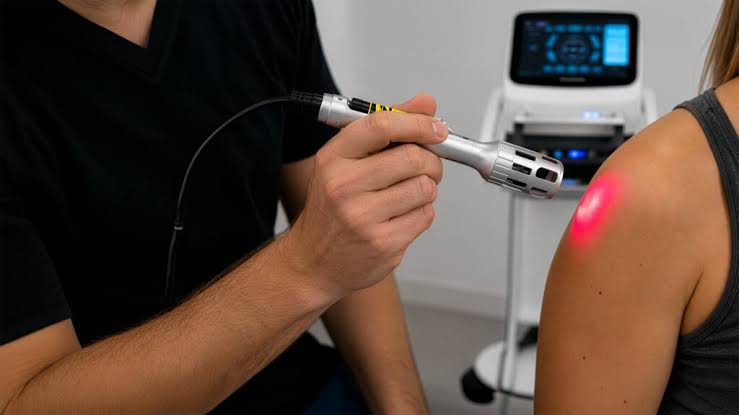
    Class IV Laser Therapy is a non-invasive treatment that uses high-powered laser light to deliver energy into affected tissues. Also known as photobiomodulation, this therapy interacts with cells and may support their natural repair and recovery processes.

    Unlike traditional treatments that focus mainly on managing symptoms, laser therapy aims to support tissue healing while helping reduce pain and inflammation.

    How Does Class IV Laser Therapy Relieve Pain?

    Class IV Laser Therapy delivers specific wavelengths of light into the affected area. The light energy is absorbed by cells, influencing cellular activity and energy production.

    This process may help:

    • Reduce inflammation and swelling.
    • Relieve muscle and joint discomfort.
    • Support healthy blood circulation.
    • Encourage tissue repair and recovery.
    • Improve comfort and physical movement.

    The treatment intensity and duration are adjusted according to the patient’s condition and individual needs.

    Top Benefits of Class IV Laser Therapy for Pain Relief

    1. Helps Reduce Pain and Discomfort

    Laser therapy may help manage pain associated with muscle strains, joint problems, and soft tissue injuries. It can be a useful addition to a personalized pain management program.

    2. Supports Natural Healing

    By influencing cellular activity, this therapy may support the body’s natural tissue repair mechanisms and recovery process.

    3. Helps Control Inflammation

    Inflammation often contributes to pain, swelling, and stiffness. Laser therapy may help regulate inflammatory responses and improve comfort in affected areas.

    4. Improves Mobility and Flexibility

    Pain can limit movement and make everyday activities challenging. By helping manage discomfort, laser therapy may support better flexibility and mobility.

    5. Non-Invasive and Drug-Free Treatment

    One of the biggest advantages of Class IV Laser Therapy is that it does not require surgery or injections. Sessions are generally comfortable and involve minimal downtime.

    Conditions That May Benefit from Class IV Laser Therapy

    Class IV Laser Therapy may be included in treatment plans for several painful conditions, such as:

    • Chronic back and neck pain
    • Knee and shoulder pain
    • Arthritis-related discomfort
    • Muscle strains and sprains
    • Sports injuries
    • Tendon and ligament injuries
    • Plantar fasciitis
    • Soft tissue injuries

    A proper medical evaluation is important to determine whether this treatment is suitable for your condition.

    What Happens During a Laser Therapy Session?

    During treatment, a trained healthcare professional moves a specialized laser device over the affected area. Patients may feel a gentle warming sensation. Sessions are usually quick, and the number of treatments depends on the severity of the condition and individual response.

    For improved results, laser therapy may be combined with physical therapy, stretching, and rehabilitation exercises.

    Ready to move with greater comfort? Consult a qualified healthcare professional today to find out whether Class IV Laser Therapy is right for you. Start your journey toward better movement and improved quality of life!

  • Why Is Nutritional Weight Loss Better Than Other Weight Loss Treatments?

    Why Is Nutritional Weight Loss Better Than Other Weight Loss Treatments?

    Are you tired of trying different diets, skipping meals, and watching the numbers on the weighing scale go up and down? Losing weight can feel frustrating when quick fixes deliver only temporary results. The secret to lasting weight loss is not starving yourself or following extreme diets. It is giving your body the right nutrition and building healthy habits.

    Nutritional weight loss focuses on balanced eating, sustainable lifestyle changes, and personalized nutrition plans to help you manage your weight while supporting overall health. But what makes it different from other weight loss treatments? Let’s find out!

    What Is Nutritional Weight Loss?

    Nutritional weight loss is an approach that uses healthy food choices, appropriate portion sizes, and balanced nutrition to support weight management. Instead of following restrictive diets, it focuses on giving your body the nutrients it needs while creating a manageable calorie deficit when appropriate.

    A personalized plan may include whole grains, fruits, vegetables, lean proteins, healthy fats, and adequate hydration. It also considers your activity level, food preferences, medical history, and daily routine.

    1. Focuses on Long-Term Results

    Many crash diets promise rapid weight loss but can be difficult to maintain. Once normal eating habits return, the lost weight may come back.

    Nutritional weight loss encourages gradual progress through realistic food choices and consistent habits. By learning how to eat well for the long term, you can build a routine that supports weight maintenance rather than temporary results.

    2. Provides Essential Nutrients

    Some restrictive weight loss methods may leave you short of important nutrients. A balanced nutritional plan helps provide the vitamins, minerals, protein, fiber, and healthy fats your body needs.

    These nutrients support normal body functions, muscle maintenance, digestion, and overall well-being. The goal is not simply to eat less but to make healthier food choices that nourish your body.

    3. Supports Better Metabolic Health

    Healthy eating habits can help improve several markers of metabolic health, including blood sugar, cholesterol, and blood pressure. Choosing fiber-rich foods, lean proteins, and unsaturated fats while limiting excess added sugar can support these improvements.

    Unlike approaches focused only on the weighing scale, nutritional weight loss considers broader health benefits alongside changes in body weight.

    4. More Sustainable Than Extreme Diets

    Extreme diets may involve severe calorie restriction, eliminating entire food groups, or following complicated rules. These methods can be difficult to maintain and may increase the risk of nutritional deficiencies.

    Nutritional weight loss allows flexibility. You can enjoy your favorite foods in appropriate portions while making healthier choices most of the time. This balanced approach can make healthy eating easier to follow consistently.

    5. Can Be Personalized to Your Needs

    Everyone has different nutritional requirements, health concerns, and lifestyle habits. A personalized nutrition plan considers these differences instead of offering the same diet to everyone.

    When combined with regular physical activity, adequate sleep, and stress management, nutritional guidance can help create a more complete weight management strategy.

    Nutritional Weight Loss vs. Other Treatments

    Medications, meal replacements, and bariatric surgery may be appropriate for some people, depending on their weight, health conditions, and medical needs. However, each option has potential benefits, limitations, and risks.

    Nutritional weight loss supports healthy habits and can complement these treatments. It is not necessarily a replacement for medical care, particularly when additional treatment is clinically indicated.

    Start Your Journey Toward Healthy Weight Loss!

    Sustainable weight loss is about more than changing your appearance. It is about improving your health, building confidence, and creating habits you can maintain.

    Book your nutritional weight loss consultation today! Get personalized guidance to help you make informed food choices, develop healthier routines, and work toward your weight management goals safely and sustainably.

  • Inflammatory Conditions: Finding Relief and Supporting Better Health

    Inflammatory Conditions: Finding Relief and Supporting Better Health

    Inflammation is a natural response from the body. It helps protect us from injury, infection, and other threats. But when inflammation becomes chronic or happens too often, it can affect daily comfort and overall health. Conditions such as arthritis, tendon problems, autoimmune disorders, and certain digestive conditions may involve inflammation.

    The good news is that treatment for inflammatory conditions is not one-size-fits-all. The right approach depends on the cause, symptoms, and overall health of the individual.

    What Causes Inflammation?

    Inflammation can be triggered by injuries, infections, autoimmune reactions, repetitive strain, or certain lifestyle factors. Short-term inflammation is often part of the healing process. However, long-lasting inflammation may contribute to ongoing pain, swelling, stiffness, fatigue, or reduced mobility.

    Identifying the underlying cause is an important first step toward choosing the right treatment.

    Common Treatments for Inflammatory Conditions

    Treatment usually focuses on controlling inflammation, managing symptoms, and addressing the underlying condition.

    Medications: Depending on the condition, healthcare professionals may recommend anti-inflammatory medicines or other medications. Some conditions may require specific prescription treatments to control the immune response.

    Physical Therapy: Targeted exercises can improve strength, flexibility, and movement. Physical therapy may be especially helpful when inflammation affects joints, muscles, or tendons.

    Lifestyle Changes: Regular movement, adequate sleep, maintaining a healthy weight, managing stress, and avoiding smoking can support overall health and may help manage inflammation.

    Cold or Heat Therapy: Depending on the condition, applying cold or heat may provide temporary relief from pain, stiffness, or swelling. A healthcare professional can help determine which approach is appropriate.

    The Role of Nutrition

    What you eat can also play an important role in overall wellness. A balanced diet rich in vegetables, fruits, whole grains, legumes, nuts, seeds, and healthy sources of protein can provide nutrients that support normal body functions.

    Reducing highly processed foods, excess added sugars, and unhealthy fats may also be beneficial for overall health. Nutrition plans should be personalized, especially for people with specific medical conditions.

    Personalized Care Makes a Difference

    Because inflammation can have many different causes, treating only the symptoms may not always be enough. A thorough evaluation can help identify contributing factors and guide an appropriate treatment plan.

    Depending on the condition, a healthcare provider may combine several approaches, such as medication, physical therapy, exercise, nutrition, and other supportive treatments. Regular follow-up can help determine whether the treatment is working and whether adjustments are needed.

    When Should You Seek Help?

    Persistent pain, swelling, stiffness, unexplained fatigue, or symptoms that interfere with daily activities should not be ignored. Early evaluation can help identify the cause and prevent symptoms from becoming more difficult to manage.

    If you have ongoing inflammation or recurring symptoms, speak with a qualified healthcare professional for proper evaluation and personalized guidance.

    Take the First Step Toward Better Health

    Inflammatory conditions can affect how you move, work, sleep, and enjoy everyday life. With the right diagnosis and a personalized treatment approach, symptoms can often be better managed.

    Don’t let persistent inflammation hold you back. Seek professional guidance and explore the treatment options that may be right for you.

  • Which Regenerative Treatment Is Effective for Knee Pain—and Why?

    Which Regenerative Treatment Is Effective for Knee Pain—and Why?

    Knee pain can make everyday activities feel like a challenge. Walking, climbing stairs, exercising, or simply standing for long periods may become uncomfortable. When conventional treatments do not provide enough relief, many people begin exploring regenerative medicine as another option.

    But with treatments such as platelet-rich plasma (PRP) and cell-based therapies gaining attention, an important question remains: Which regenerative treatment is actually effective for knee pain, and why?

    Understanding Regenerative Treatments

    Regenerative medicine is a broad field that explores treatments intended to support the body’s natural healing and repair processes. For knee problems, treatments commonly discussed include PRP injections and cell-based therapies.

    The effectiveness of these treatments can vary depending on the underlying condition, severity of damage, treatment technique, and individual patient factors. There is currently no single regenerative treatment proven to work for every type of knee pain.

    PRP Therapy: A Commonly Studied Option

    Platelet-rich plasma (PRP) is one of the more extensively studied orthobiologic treatments for knee osteoarthritis. PRP is prepared from a patient’s own blood. A blood sample is processed to concentrate platelets and other components before the preparation is injected into the affected knee.

    Platelets contain growth factors and signaling proteins involved in normal tissue repair. Researchers believe these components may influence inflammation and the local healing environment.

    The American Academy of Orthopaedic Surgeons (AAOS) states that PRP may reduce pain and improve function in people with symptomatic knee osteoarthritis, although it rates the evidence as limited because study results and treatment methods vary.

    Why PRP May Help Some Patients

    PRP is particularly interesting because it uses biological material from the patient’s own body. Research has found that some people with knee osteoarthritis experience improvements in pain and function following PRP treatment.

    However, results are not guaranteed. Different PRP preparations, platelet concentrations, injection protocols, and numbers of treatments have been studied. These differences make it difficult to identify one standard PRP approach that works equally well for everyone.

    What About Stem Cell Treatments?

    Cell-based or “stem cell” injections are also promoted as regenerative treatments for knee pain. However, the evidence is still developing, and treatment products and techniques vary considerably.

    Current clinical guidance does not establish stem cell injections as a proven standard treatment for knee osteoarthritis. The American College of Rheumatology/Arthritis Foundation previously recommended against stem cell injections because of concerns about the lack of standardization and limited evidence.

    The AAOS is continuing to emphasize the need for better evidence. In 2025, it announced an orthobiologics registry to collect long-term safety and effectiveness data on treatments such as PRP and other blood-derived therapies.

    Is Regenerative Treatment Right for You?

    The right treatment depends on why your knee hurts. Mild-to-moderate osteoarthritis, tendon problems, sports injuries, and other conditions may require different approaches.

    A thorough evaluation can help determine the source of pain and whether a regenerative treatment is appropriate. Physical therapy, strengthening exercises, weight management, activity modification, and other evidence-based treatments may also be important.

    The Bottom Line

    PRP is currently one of the better-studied regenerative options for knee osteoarthritis, but it is not a guaranteed cure or a universal solution. Evidence for other regenerative treatments, including cell-based therapies, remains less established.

    If persistent knee pain is affecting your daily life, speak with a qualified healthcare professional. Understanding your diagnosis, treatment options, potential benefits, and limitations can help you make an informed choice about your knee health.

  • NEUROPATHY SYMPTOMS: WHEN YOUR NERVES ARE TRYING TO TELL YOU SOMETHING

    NEUROPATHY SYMPTOMS: WHEN YOUR NERVES ARE TRYING TO TELL YOU SOMETHING

    Numbness, tingling, burning, or unexplained weakness may seem like minor problems at first. But when these sensations keep returning, they could be signs of neuropathy. Neuropathy occurs when nerves outside the brain and spinal cord become damaged or irritated. Recognizing the symptoms early can help you seek appropriate care and manage the underlying cause.

    What Is Neuropathy?

    Peripheral nerves carry messages between your brain, spinal cord, and the rest of your body. When these nerves are damaged, they may not send signals properly. This can affect how you feel movement, temperature, and touch.

    Neuropathy can develop for many reasons. Diabetes is a common cause, but certain medications, nutritional deficiencies, infections, alcohol use, injuries, and other medical conditions may also contribute.

    Symptoms can vary from person to person depending on the nerves involved.

    Numbness and Tingling

    One of the most common signs of neuropathy is numbness or tingling, particularly in the hands, fingers, feet, or legs.

    You may feel as though your foot or hand has “fallen asleep.” Some people describe the sensation as pins and needles. It may come and go or gradually become more noticeable.

    Burning or Shooting Pain

    Neuropathy can cause unusual pain that does not always have an obvious cause. You may experience a burning, stabbing, aching, or electric-shock-like sensation.

    This discomfort can sometimes become worse at night and may interfere with sleep or daily activities.

    Increased Sensitivity

    Even gentle touch may feel uncomfortable when nerves are affected. Clothing, bedsheets, or light pressure against the skin may cause pain or irritation.

    Some people may also become unusually sensitive to hot or cold temperatures. Reduced sensation can make it harder to notice injuries or burns.

    Muscle Weakness and Heaviness

    Nerves also help control muscles. When motor nerves are affected, you may notice muscle weakness, heaviness, or difficulty moving certain parts of the body.

    Simple activities such as walking, climbing stairs, opening containers, or gripping objects may become more difficult.

    Balance and Coordination Problems

    Nerve damage in the feet and legs can affect your awareness of where your body is positioned. This may contribute to poor balance, unsteady walking, or frequent falls.

    If you notice new or worsening balance problems, it is important to discuss them with a healthcare professional.

    Changes in Sensation

    Neuropathy does not always cause pain. Some people experience reduced ability to feel touch, pressure, vibration, or temperature.

    Because sensation may be reduced, small cuts, blisters, or other injuries can go unnoticed. Regularly checking your feet and skin can be especially important if you have reduced sensation.

    When Should You Seek Help?

    Occasional tingling may have a simple explanation, but persistent, worsening, or unexplained symptoms deserve medical attention. Early evaluation can help identify possible causes and determine appropriate treatment.

    A healthcare professional may review your symptoms and medical history and perform physical or neurological tests. Additional tests may be recommended depending on your situation.

    Listen to What Your Nerves Are Telling You

    Neuropathy symptoms can be easy to overlook, but your body may be giving you an important warning. Numbness, burning pain, tingling, weakness, and balance problems should not simply be ignored when they persist.

    Recognizing symptoms early and addressing the underlying cause can be an important step toward protecting nerve health and maintaining your quality of life.

  • Focused Shockwave Therapy for Pain Relief: A Modern Approach to Healing

    Focused Shockwave Therapy for Pain Relief: A Modern Approach to Healing

    Living with ongoing pain can affect almost every part of your day. Whether it comes from an old injury, a stubborn tendon problem, or a painful joint, finding effective relief can sometimes feel difficult. Focused shockwave therapy is a non-invasive treatment option that is gaining attention for its potential to support healing and reduce pain.

    But what exactly is it, and how can it help?

    What Is Focused Shockwave Therapy?

    Focused shockwave therapy uses concentrated sound waves to deliver energy to a specific area of the body. Unlike treatments that work mainly on the surface, focused shockwaves can reach deeper tissues.

    The treatment is designed to stimulate the body’s natural healing response. It may improve local blood flow, support tissue repair, and help reduce pain in certain musculoskeletal conditions.

    How Does It Help With Pain?

    Persistent pain can sometimes occur when injured or irritated tissues have difficulty healing properly. Focused shockwave therapy may help by stimulating biological processes involved in tissue recovery.

    The energy delivered to the treatment area can encourage circulation and cellular activity. Over time, this may help support the body’s natural repair process.

    The goal is not simply to mask pain. Instead, focused shockwave therapy aims to address some of the factors contributing to ongoing discomfort.

    Conditions That May Benefit

    Focused shockwave therapy may be used for a variety of soft-tissue and musculoskeletal problems. Depending on the individual, it may be considered for:

    • Plantar fasciitis and heel pain
    • Tennis elbow and golfer’s elbow
    • Tendon-related injuries
    • Shoulder pain
    • Achilles tendon problems
    • Chronic muscle pain
    • Certain sports and overuse injuries

    A healthcare professional can determine whether this treatment is suitable based on the cause and location of your pain.

    What Happens During Treatment?

    A focused shockwave therapy session is generally performed in an outpatient setting. The provider identifies the treatment area and positions the device over the affected tissue.

    The device delivers controlled shockwaves to the targeted area. Some patients may experience mild discomfort during treatment, but the intensity can often be adjusted according to individual tolerance.

    Sessions are typically relatively short, and there is usually little to no downtime. Your provider will recommend the number and frequency of sessions based on your condition and treatment goals.

    Benefits of Focused Shockwave Therapy

    One of the biggest advantages of focused shockwave therapy is that it is non-invasive. It does not require surgery or incisions and may allow you to return to normal activities quickly.

    Other potential benefits include:

    • Targeted treatment of painful areas
    • Support for the body’s natural healing process
    • No surgical incision
    • Minimal downtime
    • Useful for certain chronic and stubborn conditions
    • Can be combined with rehabilitation and other conservative treatments

    Results can vary, and improvement may occur gradually rather than immediately.

    Is It Right for You?

    Focused shockwave therapy can be a valuable option for people who have not achieved enough relief from conventional approaches. However, it is not appropriate for every condition or every patient.

    A proper evaluation is important to identify the underlying cause of pain and determine whether shockwave therapy is suitable.

    Take a Step Toward Pain Relief

    You do not have to let persistent pain limit your movement and everyday activities. Focused shockwave therapy offers a modern, non-invasive approach that may support healing and improve comfort.

    If you are struggling with ongoing muscle, tendon, or joint pain, speak with a qualified healthcare professional to find out whether focused shockwave therapy could be part of your personalized treatment plan.

  • Tips on Nutritional Weight Loss: Eat Better, Feel Better

    Tips on Nutritional Weight Loss: Eat Better, Feel Better

    Losing weight does not have to mean following extreme diets or skipping your favorite foods. A healthy approach to weight loss starts with good nutrition, balanced meals, and habits you can maintain over time. The goal is not simply to lose weight quickly but to support your overall health while creating lasting results.

    1. Focus on Whole, Nutritious Foods

    One of the simplest ways to improve your diet is to choose more whole foods. Add plenty of vegetables, fruits, whole grains, beans, lean proteins, nuts, and seeds to your meals.

    These foods provide essential vitamins, minerals, fiber, and other nutrients that help keep your body healthy. They can also help you feel full for longer, making it easier to manage your food intake.

    2. Include Protein in Every Meal

    Protein plays an important role in healthy weight loss. It can help you feel satisfied and support muscle maintenance while you lose weight.

    Good choices include eggs, fish, chicken, Greek yogurt, beans, lentils, tofu, and other lean protein sources. Try adding a protein source to breakfast, lunch, and dinner to create more balanced meals.

    3. Choose Fiber-Rich Foods

    Fiber can be your best friend when trying to manage your weight. It adds bulk to meals and can help you stay full between meals.

    Vegetables, fruits, oats, whole grains, beans, and lentils are excellent sources of fiber. Increase fiber gradually and drink enough water to support healthy digestion.

    4. Watch Portion Sizes

    Even nutritious foods can contribute to weight gain when eaten in very large portions. Instead of completely avoiding certain foods, pay attention to how much you are eating.

    Use smaller plates, eat slowly, and listen to your body’s hunger and fullness signals. Mindful eating can help you enjoy your meals while reducing unnecessary overeating.

    5. Limit Added Sugar and Processed Foods

    Sugary drinks, sweets, fried foods, and highly processed snacks can add a lot of calories without providing much nutritional value. You do not necessarily need to eliminate them completely, but enjoy them less often and in smaller portions.

    Choose water, unsweetened beverages, fresh fruit, and minimally processed snacks more often.

    6. Stay Hydrated

    Sometimes thirst can feel similar to hunger. Drinking enough water throughout the day can support hydration and help you make better food choices.

    Keep a water bottle nearby and make water your main beverage. Your individual fluid needs may vary depending on activity, climate, and health factors.

    7. Avoid Extreme Diets

    Crash diets may promise quick results, but they can be difficult to maintain. Severe food restrictions may also make it harder to get the nutrients your body needs.

    Instead, aim for gradual changes that fit your lifestyle. A sustainable eating pattern is more valuable than a short-term diet.

    8. Make Your Meals More Balanced

    A simple meal can include vegetables or fruit, a source of lean protein, whole grains or another high-fiber carbohydrate, and a small amount of healthy fat. This combination can provide important nutrients while helping you feel satisfied.

    Make Nutrition Your Long-Term Strategy

    Healthy weight loss is about more than counting calories. It is about building better eating habits that support your body and fit your daily routine. Combine nutritious meals with regular physical activity, adequate sleep, and consistent habits for a healthier approach to weight management.

    If you are unsure where to start, consider speaking with a qualified healthcare professional or nutrition expert for personalized guidance.

  • Why Spinal Decompression Is Better Than Traditional Treatments for Back Pain

    Why Spinal Decompression Is Better Than Traditional Treatments for Back Pain

    Back pain is one of the most common health problems affecting people of all ages. It can make everyday activities like walking, sitting, or even sleeping difficult. While many people rely on pain medications, rest, or surgery to manage back pain, these treatments may not always solve the root cause.

    Spinal decompression therapy is a non-surgical treatment that has become a popular option for people looking for lasting relief. It focuses on treating the source of the pain rather than simply reducing the symptoms.

    What Is Spinal Decompression?

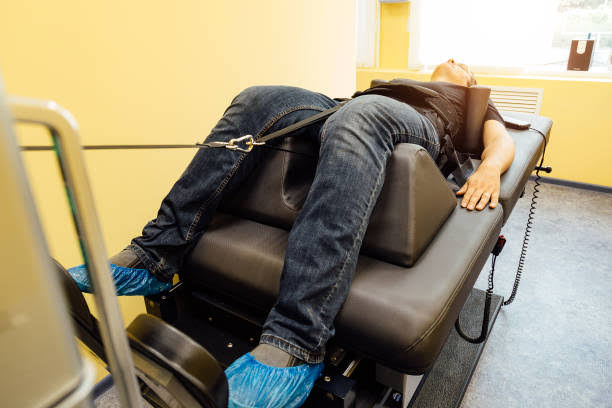
    Spinal decompression is a gentle, controlled treatment that stretches the spine using a specialized table. This process creates space between the vertebrae, helping reduce pressure on spinal discs and nerves.

    By lowering this pressure, the treatment allows nutrients, oxygen, and fluids to move back into the discs. This supports natural healing and may reduce pain over time.

    Traditional Treatments for Back Pain

    Many people first try traditional treatments when back pain begins. These may include:

    • Pain-relieving medications
    • Muscle relaxants
    • Rest
    • Heat or ice therapy
    • Physical therapy
    • Injections
    • Surgery for severe cases

    While these treatments can help manage pain, they may not always address the underlying problem. In some cases, the pain returns once the treatment stops.

    Why Spinal Decompression Stands Out

    Treats the Root Cause

    Instead of only masking pain, spinal decompression targets the pressure on the spinal discs and nerves. This helps improve the condition causing the discomfort.

    Non-Surgical and Drug-Free

    Unlike surgery, spinal decompression does not require incisions or long recovery periods. It is also a drug-free treatment, making it a good option for people who want to avoid long-term medication use.

    Supports Natural Healing

    The gentle stretching action encourages better circulation to the spinal discs. This helps deliver the nutrients needed for healing damaged tissues naturally.

    Comfortable Treatment

    Most patients find spinal decompression relaxing. During the session, the machine applies gentle and controlled movements designed to keep you comfortable.

    Minimal Recovery Time

    Unlike surgery, there is little to no downtime after a spinal decompression session. Many people can return to their normal daily activities shortly after treatment, depending on their condition and their healthcare provider’s advice.

    Conditions That May Benefit

    Spinal decompression may help people experiencing:

    • Herniated or bulging discs
    • Sciatica
    • Degenerative disc disease
    • Chronic lower back pain
    • Neck pain
    • Pinched nerves

    A healthcare professional can determine whether this treatment is suitable based on your specific condition.

    Is It Right for Everyone?

    Although spinal decompression is safe for many people, it is not suitable for every patient. Individuals with certain medical conditions, recent fractures, severe osteoporosis, or spinal instability may require different treatment options.

    A proper evaluation is always important before starting therapy.

    Thoughts to take

    Traditional treatments like medication, rest, and injections can provide temporary relief, but they may not always solve the underlying cause of back pain. Spinal decompression offers a non-invasive approach that focuses on reducing pressure within the spine, supporting natural healing, and improving overall function.

    If you have been struggling with ongoing back or neck pain and want an alternative to surgery or long-term medication, spinal decompression may be worth exploring. Speak with a qualified healthcare provider to learn whether this treatment is the right choice for your needs.