Blog

  • How Effective Is Shockwave Therapy?

    How Effective Is Shockwave Therapy?

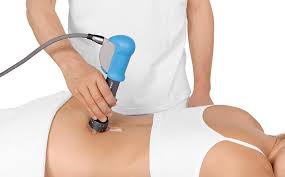
    Shockwave therapy is a non-invasive treatment that uses high-energy sound waves to stimulate the body’s natural healing processes. These acoustic waves are directed at injured tissues—such as tendons, ligaments, or muscles—to improve blood flow, break down calcifications, and reduce pain.

    It has become popular because it often offers relief where traditional treatments like rest, medication, or basic physiotherapy haven’t worked well enough. Sessions are quick, there’s little to no downtime, and the risks are relatively low compared to surgery or injections. As patients and clinicians look for effective, evidence-based options with faster recovery and fewer side effects, shockwave therapy has emerged as a standout choice.

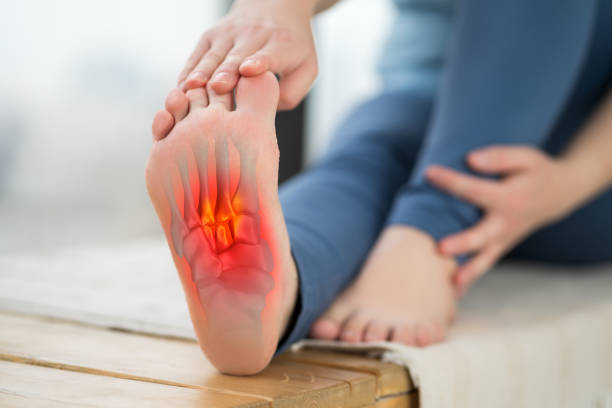
    How Effective Is Shockwave Therapy for Plantar Fasciitis and Heel Pain?

    Shockwave therapy has emerged as a promising, non‑invasive option for stubborn plantar fasciitis and chronic heel pain. It works by delivering high‑energy sound waves to the affected tissue, stimulating blood flow and kick‑starting the body’s natural healing response. 

    Studies show that many patients experience significant pain reduction and improved function, especially when conservative treatments like rest, stretching, orthotics, and anti‑inflammatories haven’t provided enough relief. 

    Results are not instant; improvement typically builds gradually over several weeks after a short series of sessions. While some people feel temporary soreness during or after treatment, serious side effects are rare when performed by a trained clinician. Shockwave therapy isn’t a guaranteed cure, but for persistent heel pain, it can be an effective next step before considering more invasive options such as injections or surgery.

    Shockwave Therapy for Tendon and Sports Injuries: Does It Really Work?

    It is most commonly used for chronic conditions like plantar fasciitis, Achilles tendinopathy, tennis elbow, and stubborn shoulder or hip tendon pain that hasn’t improved with rest, physiotherapy, or medication. The shockwaves are thought to increase blood flow, break down painful tissue changes, and trigger the body’s natural repair processes. 

    Research shows it can significantly reduce pain and improve function in many chronic tendon problems, especially when combined with a structured rehab and strengthening program. However, results can vary: some people experience clear benefits after a few sessions, while others notice only modest change. It is generally safe, with temporary soreness or redness as the most common side effects. 

    Shockwave therapy is not a magic cure, but for persistent tendon and sports injuries, it can be a valuable option to discuss with a sports medicine or physiotherapy professional.

    Comparing Shockwave Therapy to Other Treatment Options

    When comparing shockwave therapy to other treatment options like rest, physical therapy, injections, or surgery, its main advantage is that it targets the injured tissue non-invasively and stimulates natural healing. Unlike painkillers or steroid injections, which mostly mask symptoms, shockwave therapy aims to address the root cause by improving blood flow and breaking down damaged tissue. It also involves minimal downtime compared to surgery and is generally safer, with fewer side effects. However, it may require several sessions, can be uncomfortable during treatment, and isn’t suitable for every condition or every patient, so it’s best weighed against other options with a qualified clinician.

  • Advanced Treatments for Neuropathy: Cutting-Edge Options for Lasting Nerve Pain Relief

    Advanced Treatments for Neuropathy: Cutting-Edge Options for Lasting Nerve Pain Relief

    Neuropathy is a condition caused by damage to the peripheral nerves, which carry messages between the brain, spinal cord, and the rest of the body. When these nerves are damaged, people may experience numbness, tingling, burning pain, muscle weakness, or loss of balance—often starting in the hands and feet. It can result from diabetes, infections, autoimmune disorders, chemotherapy, vitamin deficiencies, or even prolonged pressure on nerves.

    Advanced treatments matter because they go beyond simply masking pain. Newer approaches aim to protect and repair nerves, improve blood flow, and address the root causes of nerve damage. By using more targeted therapies early, people have a better chance of slowing or even preventing progression, maintaining mobility, and preserving quality of life.

    Advanced Medications and Biologic Therapies for Neuropathy

    Advanced medications and biologic therapies for neuropathy are designed to target both symptoms and underlying disease mechanisms more precisely than traditional treatments. While standard options like over-the-counter pain relievers or basic antidepressants can help, they often don’t fully address severe or progressive neuropathic pain. Newer approaches aim to calm overactive nerves, reduce inflammation, and in some cases promote nerve repair.

    Key options include:
    • SNRIs (serotonin–norepinephrine reuptake inhibitors)
    • Certain anticonvulsants for nerve stabilization
    • Topical high‑concentration capsaicin patches
    • Lidocaine patches for localized pain
    • Biologic drugs that target specific inflammatory pathways
    • Monoclonal antibodies directed at pain-signaling molecules
    • Neurotrophic factors and growth factor–based therapies (experimental)
    • Gene and cell‑based therapies (in clinical trials)

    These advanced and biologic therapies are typically prescribed by specialists, often after first‑line treatments have failed. They may offer better pain control and functional improvement for some patients, but they can come with higher costs, the need for monitoring, and potential side effects. Careful evaluation by a neurologist or pain specialist helps determine which options are appropriate for an individual’s type and severity of neuropathy.

    Cutting-Edge Nerve Stimulation and Neuromodulation Techniques

    Cutting-edge nerve stimulation and neuromodulation techniques for neuropathy are rapidly expanding, offering more targeted symptom relief and improved quality of life. Key approaches include:

    • Transcutaneous electrical nerve stimulation (TENS)
    • Peripheral nerve stimulation (PNS)
    • Spinal cord stimulation (SCS)
    • Dorsal root ganglion (DRG) stimulation
    • Scrambler therapy
    • Vagus nerve stimulation (VNS)
    • High-frequency and burst stimulation modes
    • Closed-loop neuromodulation systems

    Minimally Invasive Procedures and Interventional Pain Techniques

    Minimally invasive procedures and interventional pain techniques for neuropathy focus on targeting pain at its source while reducing trauma to surrounding tissues. These options are typically considered when medications, physical therapy, and lifestyle changes are not providing enough relief, or when side effects of systemic treatments become a concern.

    Common minimally invasive and interventional techniques for neuropathic pain include:

    • Nerve blocks (peripheral nerve blocks, sympathetic blocks)
    • Epidural steroid injections
    • Spinal cord stimulation (SCS)
    • Dorsal root ganglion (DRG) stimulation
    • Peripheral nerve stimulation
    • Radiofrequency ablation (conventional or pulsed RF)
    • Intrathecal drug delivery systems (pain pumps)

    Which option is appropriate depends on the type and location of neuropathy, prior treatments, overall health, and personal goals. These procedures are usually performed by pain management or interventional spine specialists after a thorough evaluation and often as part of a broader, multidisciplinary pain management plan.

    In conclusion, evaluating and accessing advanced treatments for neuropathy safely comes down to three essentials: reliable information, qualified providers, and careful monitoring. Start by consulting a neurologist or pain specialist who can explain which options are evidence-based for your specific type and stage of neuropathy. Ask about clinical trial data, potential side effects, and realistic outcomes before beginning any new therapy. Avoid unproven “miracle cures” and always verify that clinics and products are properly licensed and regulated. 

    Once a treatment is chosen, track your symptoms, side effects, and functional changes, and report them promptly to your care team. By combining medical guidance with your own informed caution, you can explore advanced therapies while protecting your safety and long‑term health.

  • Why Is Nutritional Weight Loss Considered Sustainable? Understanding the Key Benefits

    Why Is Nutritional Weight Loss Considered Sustainable? Understanding the Key Benefits

    Why is nutritional weight loss considered sustainable? Simply put, it’s all about making real, manageable changes to what you eat rather than relying on quick fixes or fad diets. By focusing on balanced nutrition and healthy habits, this approach helps you lose weight without feeling deprived or overwhelmed. It’s not just about dropping pounds—it’s about creating a lifestyle you can stick with for the long haul.

    How Nutritional Weight Loss Promotes Long-Term Health

    Nutritional weight loss focuses on adopting balanced eating habits that support sustainable weight management rather than quick fixes or fad diets. By emphasizing nutrient-dense foods and appropriate portion sizes, this approach helps individuals achieve and maintain a healthy weight over time. One of the key advantages of nutritional weight loss is its role in improving metabolic health; it encourages stable blood sugar levels, better insulin sensitivity, and optimized energy use by the body.

    Moreover, sustained weight management through proper nutrition contributes significantly to chronic disease prevention. Excess body weight is a known risk factor for conditions such as type 2 diabetes, cardiovascular diseases, and certain types of cancer. By achieving gradual and lasting weight loss, individuals reduce strain on the heart and other organs, lowering their risk profile. This makes it a highly effective strategy for those seeking not only to lose weight but also to improve their quality of life in the years ahead.

    Why Crash Diets Fail Compared to Nutritional Approaches

    Crash diets often promise rapid weight loss, but their drawbacks make them an unsustainable and potentially harmful choice. One major issue with crash diets is the risk of muscle loss; when calorie intake is drastically reduced, the body may break down muscle tissue for energy, which can weaken overall strength and lower metabolic rate. Additionally, these extreme diets frequently lead to metabolic slowdown—where the body conserves energy by reducing its calorie-burning capacity—making it harder to maintain weight loss over time.

    Another significant concern is the cycle of yo-yo dieting effects. After a crash diet ends, many people regain the lost weight quickly, sometimes even exceeding their original weight. This repetitive pattern not only affects physical health but also impacts mental well-being and motivation.

    In contrast, nutritional approaches that focus on balanced eating habits promote steady weight loss while preserving muscle mass and supporting a healthy metabolism. By emphasizing nutrient-dense foods and sustainable lifestyle changes, these methods reduce the likelihood of rebound weight gain and encourage long-term success. 

    The Psychological Benefits of Nutritional Weight Loss

    One of the key advantages is developing a healthy relationship with food. Instead of viewing eating as a source of guilt or stress, individuals learn to appreciate nourishment as a way to support their overall well-being.

    Mindful eating practices play an essential role in this process. By paying close attention to hunger cues and savoring each bite, people become more attuned to their bodies’ needs, which helps reduce overeating and emotional eating episodes. This increased awareness often leads to reduced food cravings, making it easier to maintain balanced dietary habits.

    Moreover, achieving weight loss through nutritional means can boost self-esteem. As individuals experience progress by making sustainable lifestyle changes, they often feel more confident and empowered in their ability to manage their health. This positive mindset can create a reinforcing cycle that supports long-term success both mentally and physically.

  • Understanding Inflammatory Conditions

    Understanding Inflammatory Conditions

    Inflammatory conditions refer to a group of disorders characterized by inflammation, the body’s natural response to injury or infection. This process involves redness, swelling, pain, and heat as the immune system works to protect and heal affected tissues.While inflammation is vital for healing, chronic inflammation can lead to tissue damage and various health complications. 

    Common Types of Inflammatory Conditions

    – Arthritis: Inflammation of the joints causing pain and stiffness.

    – Asthma: Chronic inflammation of the airways leading to breathing difficulties.

    – Inflammatory Bowel Disease (IBD): Includes Crohn’s disease and ulcerative colitis, causing inflammation in the digestive tract.

    – Dermatitis: Inflammation of the skin resulting in redness, swelling, and itching.

    – Tendinitis: Inflammation of tendons often due to overuse or injury.

    – Sinusitis: Inflammation of the sinuses causing congestion and pain.

    – Allergic Reactions: Immune response causing inflammation in various tissues.

    The Impact of Inflammatory Conditions on Daily Life and Emotional Well-being

    Inflammatory conditions can significantly affect daily life and emotional well-being. Chronic inflammation often leads to persistent pain, fatigue, and physical limitations, making routine tasks challenging. These physical symptoms frequently contribute to increased stress, anxiety, and depression. Managing such conditions requires a holistic approach that addresses both physical symptoms and emotional health. Understanding the connection between inflammation and mental well-being is essential for developing effective coping strategies that improve overall quality of life.

    The Role of Lifestyle and Diet in Managing Inflammatory Conditions

    Managing inflammatory conditions effectively often involves more than just medication; lifestyle and diet play crucial roles. Adopting an anti-inflammatory diet rich in fruits, vegetables, whole grains, and healthy fats can help reduce inflammation. Avoiding processed foods, excessive sugar, and trans fats is equally important. 

    Regular physical activity, stress management techniques like meditation, and adequate sleep further support the body’s ability to control inflammation. Together, these lifestyle choices complement medical treatments and contribute significantly to improved overall health for those with inflammatory conditions.

    Treatment Options for Inflammatory Conditions

    Managing inflammation effectively requires a range of treatment options tailored to the specific condition and severity. Anti-inflammatory drugs, such as nonsteroidal anti-inflammatory drugs (NSAIDs), are commonly used to reduce pain and swelling. 

    For more severe cases, corticosteroids for inflammation provide powerful relief by suppressing the immune response. Biologics treatment has emerged as a targeted therapy option, especially useful in chronic inflammatory diseases by interfering with specific molecules involved in the inflammatory process. 

    Additionally, natural remedies for inflammation—including turmeric, omega-3 fatty acids, and green tea—can complement medical treatments and support overall health. Consulting with healthcare professionals ensures an optimal approach combining these options for effective inflammation management.

  • Finding Relief: How Class IV Laser Therapy and Shockwave Therapy Offer Hope for Neuropathy Treatment

    Finding Relief: How Class IV Laser Therapy and Shockwave Therapy Offer Hope for Neuropathy Treatment

    Neuropathy refers to damage or dysfunction of the nerves, often resulting in symptoms like numbness, tingling, weakness, or pain—most commonly in the hands and feet. It can be caused by various factors such as diabetes, infections, injuries, or exposure to toxins. Early detection and proper management are crucial to prevent further nerve damage and improve quality of life. In this blog, we shall see how Class IV laser therapy and Shockwave therapy offers hope for Neuropathy.

    How Class IV Laser Therapy Helps in Treating Neuropathy

    Class IV laser therapy for neuropathy is rapidly gaining recognition as a non-invasive and effective treatment option. This advanced therapy utilizes high-powered lasers to penetrate deep into tissues, stimulating cellular repair and reducing inflammation. The primary benefit of Class IV laser therapy lies in its ability to increase blood flow to affected areas, which helps deliver essential nutrients and oxygen needed for nerve healing.

    Patients suffering from neuropathy often experience symptoms such as tingling, numbness, burning sensations, or weakness. By targeting these symptoms at the source, Class IV laser therapy can help reduce pain and discomfort without the need for medication or surgery. Many patients report improved nerve function and a noticeable decrease in their neuropathic symptoms after just a few sessions.

    Additionally, this form of laser therapy accelerates tissue repair by promoting ATP (adenosine triphosphate) production within cells. This energy boost enhances the body’s natural healing processes and supports long-term recovery. Overall, the benefits of Class IV laser therapy for neuropathy include pain reduction, improved mobility, faster healing times, and an enhanced quality of life—making it a promising option for those seeking relief from chronic nerve pain.

    The Science Behind Shockwave Therapy in Neuropathy Treatment

    Shockwave therapy for nerves, also known as extracorporeal shockwave therapy (ESWT), is an innovative approach gaining attention in the field of regenerative medicine for neuropathy. This non-invasive treatment uses focused acoustic waves to stimulate healing processes within the affected nerves and surrounding tissues. But how does shockwave work on nerves? The science lies in its ability to promote cellular regeneration and enhance blood flow.

    When applied to areas impacted by neuropathy, ESWT delivers controlled mechanical energy that triggers a cascade of biological responses. These include the release of growth factors, increased production of collagen, and improved microcirculation—all crucial elements for nerve repair and regeneration. Studies suggest that shockwave therapy may reduce inflammation, encourage nerve cell proliferation, and even help restore normal nerve function over time.

    As regenerative medicine for neuropathy continues to evolve, shockwave therapy stands out as a promising tool. It offers hope for patients seeking alternatives to medications or invasive procedures by harnessing the body’s own capacity to heal damaged nerves naturally.

    When combined, Class IV Laser Therapy and Shockwave Therapy offer a synergistic approach to neuropathy care. The laser’s deep tissue stimulation complements the regenerative effects of shockwaves—together they can accelerate recovery times, enhance pain relief outcomes, and support long-term nerve health. Many clinicians are now incorporating both therapies into customized treatment plans to maximize results for patients living with neuropathic symptoms.

  • Finding Relief: Whiplash Treatment at Vinings Spine & Wellness

    Finding Relief: Whiplash Treatment at Vinings Spine & Wellness

    Whiplash is more than just a sore neck—it’s a condition that can disrupt your daily life in unexpected ways. Whether it’s caused by a car accident, sports injury, or even a simple fall, whiplash can lead to persistent pain and discomfort. Understanding the causes and symptoms of whiplash is the first step toward healing.

    The Importance of Prompt and Compassionate Whiplash Care

    When it comes to whiplash injuries, early intervention is essential for a healthy recovery. Whiplash can be deceptive—symptoms might not appear right away, and it’s easy to underestimate the impact. That’s why seeking immediate treatment matters so much. Prompt care not only addresses pain and discomfort but also helps prevent long-term damage that could affect your quality of life.

    Compassionate care for injuries like whiplash goes beyond physical healing. It means being listened to, understood, and supported throughout your recovery journey. Medical professionals who approach whiplash with empathy create a comforting environment where you feel safe expressing your concerns and needs.

    By prioritizing both early intervention for whiplash and compassionate care, you’re giving yourself the best chance at full recovery—physically and emotionally. Remember, addressing injuries quickly isn’t just about relieving symptoms; it’s about protecting your future well-being.

    Expert Diagnosis: How Vinings Spine & Wellness Assesses Whiplash Injuries

    At Vinings Spine & Wellness, we understand that whiplash injuries can be both physically painful and emotionally overwhelming. Our whiplash diagnosis process is designed to provide clarity and comfort from the very first visit. During your initial chiropractic assessment for neck injuries, our experienced team takes the time to listen closely to your concerns and symptoms. We conduct thorough physical examinations, assess spinal health after an accident, and may use advanced imaging if necessary to ensure no detail is overlooked.

    Our approach goes beyond simply identifying the injury; we focus on understanding how it affects your daily life. With this insight, we craft personalized treatment plans tailored specifically to your needs. Whether you’re experiencing stiffness, headaches, or limited mobility, our compassionate care aims to support your recovery every step of the way—helping you regain comfort and confidence as you heal.

    Comprehensive Whiplash Treatment Options Available at Vinings Spine & Wellness

    At Vinings Spine & Wellness, we understand how disruptive and painful whiplash can be, affecting not only your neck but your overall well-being. That’s why our team is dedicated to offering comprehensive whiplash treatment options tailored to each patient’s unique needs. Our approach begins with chiropractic care for whiplash, using gentle spinal adjustment therapy to restore proper alignment and relieve pressure on affected nerves. This hands-on technique is designed to reduce pain and inflammation while promoting natural healing.

    In addition to chiropractic adjustments, we also provide physical therapy for neck pain. Our skilled therapists work closely with you to improve mobility, strengthen supporting muscles, and enhance flexibility—key components in a full recovery from whiplash injuries. We believe in holistic treatments for whiplash recovery, combining therapeutic exercises, lifestyle guidance, and supportive therapies that address both the physical symptoms and the emotional toll of injury.

    At Vinings Spine & Wellness, your comfort and recovery are our highest priorities. We’re here every step of the way—helping you reclaim your health and get back to living life without pain.

  • Car Crash Treatment at Vinings Spine & Wellness: Your Path to Healing and Recovery

    Car Crash Treatment at Vinings Spine & Wellness: Your Path to Healing and Recovery

    Experiencing a car accident can be both physically and emotionally overwhelming. Even if you feel fine immediately after a collision, it’s important to recognize that car accident injuries aren’t always obvious right away. The effects of a car crash often go beyond visible bruises or cuts; some of the most common auto accident trauma, such as whiplash, may not present symptoms until hours or even days later.

    Whiplash, for example, occurs when your neck is suddenly forced back and forth—much like the cracking of a whip. This injury can lead to persistent pain, stiffness, headaches, and even cognitive issues if left untreated. Besides whiplash, hidden injuries after collision may include soft tissue damage, concussions, or internal injuries that are not immediately apparent.

    Taking care of yourself after an accident means paying close attention to your body’s signals in the days following the event. If you notice new aches, dizziness, swelling, or changes in how you feel emotionally or physically—even if they seem minor—seek medical attention promptly. 

    The Vinings Spine & Wellness Approach to Car Crash Treatment

    At Vinings Spine & Wellness, we understand that every car crash is a uniquely stressful experience—physically, emotionally, and mentally. That’s why our approach to car crash treatment goes beyond simply addressing symptoms. We believe in personalized treatment plans tailored to your specific injuries and recovery goals. Our integrated wellness center brings together experienced professionals who focus on holistic healing after a car crash, ensuring that your body and mind are cared for throughout the recovery process.

    Our team specializes in chiropractic care for accidents, using gentle adjustments and therapeutic techniques to help restore proper alignment and relieve pain. But our commitment doesn’t stop there—we incorporate massage therapy, rehabilitation exercises, and lifestyle guidance into your care plan to promote long-term healing. At Vinings Spine & Wellness, you’re not just another patient; you’re part of our community. We’re here to support you every step of the way on your journey back to health and well-being.

    Treatments and Therapies Available for Car Accident Injuries at Vinings

    Recovering from a car accident is not just about healing physical injuries—it’s about restoring your whole sense of well-being. At an integrated wellness center, you’ll find a supportive environment where your unique needs are truly understood. Personalized treatment plans are at the heart of effective recovery, ensuring that every aspect of your injury and daily life is considered.

    Holistic healing after a car crash often combines several therapies to address both visible and underlying trauma. Chiropractic care for accidents is especially valuable, as it helps realign the spine, relieve pain, and restore mobility without relying solely on medication. Many patients also benefit from massage therapy, gentle exercise programs, and even nutritional guidance—all working together to support your body’s natural healing process.

    Remember, you don’t have to face recovery alone. With compassionate professionals guiding you through personalized treatments in an integrated wellness center, you can take confident steps toward complete healing—physically, emotionally, and mentally—after a car accident.

  • Nutritional Weight loss at Vinings Spine & Wellness: Your Path to Sustainable Health

    Understanding Nutritional Weight loss: The Fundamentals

    Nutritional weight loss goes beyond simply cutting calories—it’s about making informed choices that support both your health and your long-term goals. At its core, healthy eating for weight loss emphasizes the importance of balanced nutrition plans. This means incorporating a variety of whole foods, such as lean proteins, fruits, vegetables, whole grains, and healthy fats into your daily meals.

    Sustainable weight management relies on consistency and moderation rather than extreme restrictions or fad diets. By focusing on nutrient-dense foods and appropriate portion sizes, you can fuel your body while promoting gradual fat loss. Additionally, understanding the relationship between diet and wellness is key; proper nutrition not only helps shed unwanted pounds but also supports energy levels, mood stability, and overall well-being.

    Why Choose Vinings Spine & Wellness for Your Weight loss Journey?

    Selecting the right partner for your weight loss journey is crucial to achieving lasting results. At Vinings Spine & Wellness, we focus on nutritional weight loss that goes beyond quick fixes and fad diets. Our approach centers on healthy eating for weight loss, emphasizing the importance of balanced nutrition plans tailored to your unique needs and lifestyle.

    Our team of experts understands that sustainable weight management requires more than just calorie counting. We provide guidance rooted in diet and wellness science, helping you make informed choices that support your overall health. Whether you’re looking to shed a few pounds or make significant changes, our personalized strategies ensure you receive the support and education necessary for long-term success.

    By choosing Vinings Spine & Wellness, you’ll benefit from a comprehensive program designed to empower you with the tools and knowledge needed to achieve—and maintain—your goals. Let us help you embrace a healthier lifestyle through sustainable habits and balanced nutrition.

    What to Expect from a Nutritional Weight loss Program at Vinings Spine & Wellness

    Embarking on a weight loss journey can feel overwhelming, but the nutritional weight loss program at Vinings Spine & Wellness is designed to provide clarity and support every step of the way. Here’s an overview of what you can expect when you join their program.

    The process begins with a comprehensive consultation, where experienced professionals take time to understand your health history, lifestyle, and personal goals. This initial step ensures that your needs are fully understood before creating a plan tailored just for you.

    One of the key features of the program is individualized nutrition guidance. Rather than offering generic advice, the team crafts meal plans and nutritional recommendations that fit your unique body composition and preferences. This personalized approach helps optimize results while making healthy eating sustainable in the long term.

    Progress tracking tools are another essential component of Vinings Spine & Wellness’s weight loss program. You’ll have access to resources that monitor your achievements—whether it’s changes in body measurements, dietary habits, or overall wellness markers. These tools not only keep you motivated but also allow for adjustments along the way to ensure steady progress toward your goals.

    With dedicated support and evidence-based strategies, Vinings Spine & Wellness provides a comprehensive weight loss program focused on lasting results through individualized care and ongoing guidance.

  • Personal Injury Treatment at Vinings Spine and Wellness, Atlanta

    Personal Injury Treatment at Vinings Spine and Wellness, Atlanta

    Understanding Personal Injury and Its Impact on Your Health

    Personal injury refers to any physical, emotional, or psychological harm caused by an accident or intentional act. The effects of personal injury can be far-reaching, impacting not only your physical well-being but also your mental health and daily life. 

    Recognizing injury symptoms early is crucial for effective personal injury recovery. Symptoms may include pain, swelling, bruising, limited mobility, headaches, dizziness, anxiety, or depression. Ignoring these signs can lead to prolonged recovery times or chronic issues.

    The journey to recovery often involves medical treatment such as physical therapy and medication management. In some cases—especially with severe injuries—ongoing rehabilitation and support from healthcare professionals are necessary. Understanding the different types of personal injuries and their potential effects empowers you to seek appropriate care quickly and supports a smoother path toward healing both physically and emotionally.

    Common Types of Personal Injuries

    When it comes to personal injuries, understanding the most common types can help individuals seek timely and appropriate care. Here’s a list of prevalent personal injuries and their typical treatments:

    1. Car Accident Injuries: Collisions often result in a range of injuries, from minor bruises to serious trauma such as fractures or head injuries. Whiplash is particularly common, requiring specialized whiplash treatment to address neck pain and stiffness.

    2. Slip and Fall Treatment: Slips, trips, and falls frequently cause sprains, strains, or broken bones. Proper slip and fall treatment may involve immobilization of the affected area, physical therapy, or even surgery in severe cases.

    3. Workplace Injury Care: Injuries on the job can include repetitive strain injuries, cuts, burns, or heavy lifting accidents leading to back pain. Workplace injury care typically focuses on immediate first aid followed by rehabilitation programs tailored to the specific injury.

    4. Sports Injuries: Athletes are prone to sprains, strains, ligament tears (such as ACL injuries), and concussions. Effective management for sports injuries usually involves rest, ice application, compression bandages, elevation (RICE), and sometimes surgical intervention.

    5. Whiplash Treatment: Often resulting from rear-end car accidents but also possible in sports incidents or falls, whiplash requires prompt assessment by a healthcare professional who may recommend gentle exercises along with pain management strategies.

    Why Choose Vinings Spine and Wellness for Personal Injury Treatment in Atlanta?

    When searching for the best personal injury clinic Atlanta has to offer, Vinings Spine and Wellness stands out as a top choice. Our team of experienced chiropractors in Atlanta specializes in treating a wide range of injuries resulting from car accidents, workplace incidents, and other personal injury situations. We understand that every patient’s needs are unique, which is why we take a personalized approach to care.

    As a holistic wellness center in Vinings, our clinic goes beyond just addressing immediate pain. We focus on long-term recovery and overall well-being by combining chiropractic adjustments with physical therapy, massage therapy, and nutritional guidance. This comprehensive care ensures that each patient receives the support they need at every stage of their healing journey.

    Patient testimonials for Vinings Spine and Wellness consistently highlight our compassionate staff, effective treatments, and comfortable environment. Many patients have shared stories of regaining mobility and returning to daily activities after completing their personalized treatment plans with us. If you’re seeking expert care from experienced professionals who truly prioritize your recovery, Vinings Spine and Wellness is the clear choice for personal injury treatment in Atlanta.