Blog

  • Personal Injury Treatment at Vinings, Atlanta

    Personal injuries can occur in a variety of settings and often result in significant physical, emotional, and financial challenges. Understanding the most common types of personal injuries can help individuals recognize their rights and seek appropriate care or legal assistance.

    Auto accident injuries are among the most prevalent personal injury cases. These can range from minor bruises and whiplash to more severe conditions such as broken bones, traumatic brain injuries, or spinal cord damage. Prompt medical attention is crucial after any vehicle collision to ensure proper diagnosis and treatment.

    Slip and fall injuries frequently happen in public spaces, workplaces, or private properties due to hazardous conditions like wet floors, uneven surfaces, or poor lighting. Such incidents can lead to sprains, fractures, head injuries, or even long-term mobility issues.

    Workplace injuries encompass a wide spectrum of accidents that occur on the job. Common examples include repetitive strain injuries from manual labor or computer use, machinery accidents causing cuts or amputations, and falls from heights at construction sites. Employers are required by law to maintain safe working environments to minimize these risks.

    Sports injuries affect both amateur and professional athletes alike. These may involve sprains, strains, dislocations, concussions, or ligament tears resulting from vigorous physical activity or contact sports. Proper training techniques and safety equipment play a vital role in prevention.

    Awareness of these common types of personal injuries—auto accident injuries, slip and fall injuries, workplace injuries, and sports injuries—can empower individuals to take preventive measures while also knowing when to seek help if an injury occurs.

    The Importance of Immediate Medical Attention After an Accident

    Immediate medical attention after an accident is crucial for several reasons. Early intervention for personal injury can significantly improve outcomes, as prompt injury assessment helps identify hidden injuries that may not be immediately apparent. Seeking urgent care after an accident ensures that even minor symptoms are evaluated by a healthcare professional, reducing the risk of complications and long-term damage. 

    Additionally, obtaining a timely medical evaluation creates a clear record of your injuries, which can be essential if you need to pursue an insurance claim or legal action later on. Prioritizing your health through immediate care not only supports a faster recovery but also protects your rights in the aftermath of an accident.

    Treatment Options Available at Vinings

    At Vinings Spine and Wellness, patients have access to a comprehensive range of treatment options tailored to address various health concerns. Our clinic specializes in chiropractic care, which focuses on spinal alignment and holistic healing. Chiropractic adjustments can help relieve pain, improve mobility, and promote overall wellness.

    For individuals recovering from injuries or seeking to enhance their physical function, our physical therapy services are designed to restore strength, flexibility, and movement. We offer customized rehabilitation programs for those dealing with personal injury cases such as auto accidents or workplace incidents. Our team works closely with each patient to ensure a safe and effective recovery process.

    Pain management is another cornerstone of our practice. We utilize evidence-based techniques to reduce discomfort related to chronic conditions or acute injuries. Whether you’re experiencing back pain, neck pain, or joint issues, our experienced professionals will develop a personalized plan that addresses your unique needs.

    In addition to these core services, we provide comprehensive rehabilitation services aimed at supporting long-term recovery and preventing future injuries. At Vinings Spine and Wellness, we are committed to helping you achieve optimal health through compassionate care and proven therapeutic methods.


  • The Importance of Early Treatment for Whiplash Injury

    The Importance of Early Treatment for Whiplash Injury

    Whiplash is a common neck injury that occurs when the head is suddenly jolted backward and then forward, often as a result of rear-end car accidents. This rapid movement can strain or tear the muscles, ligaments, and tendons in the neck. While car accidents are the leading cause of whiplash, it can also result from sports injuries, physical abuse, or other trauma such as falls.

    Symptoms of whiplash may not appear immediately after an incident. Instead, they often develop within 24 hours and can include neck pain and stiffness, headaches (often starting at the base of the skull), reduced range of motion in the neck, dizziness, fatigue, and sometimes pain in the shoulders or upper back. In more severe cases, individuals might experience tingling or numbness in their arms.

    Although most people recover from whiplash within a few weeks with proper care—such as rest, gentle movement exercises, and over-the-counter pain medications—some may develop chronic pain or long-term complications. Risk factors for prolonged recovery include severe initial symptoms, older age at time of injury, existing neck problems or previous whiplash injuries.

    Why Early Diagnosis Matters in Whiplash Injury Cases

    Early diagnosis is crucial in whiplash injury cases for several important reasons. First, prompt identification of whiplash allows for timely medical intervention, which can help prevent the development of chronic pain and long-term complications. Whiplash injuries often involve damage to the soft tissues of the neck, and symptoms may not always appear immediately after an accident. By seeking medical attention as soon as possible, patients can ensure that any underlying injuries are detected before they worsen.

    Additionally, early diagnosis plays a vital role in documenting the extent of an injury for legal or insurance purposes. Accurate and timely medical records provide essential evidence that supports a patient’s claim if compensation is needed for treatment or lost wages. Delayed diagnosis can make it more difficult to prove that the injury was directly related to a specific incident.

    Finally, early intervention enables healthcare professionals to develop tailored treatment plans that address both immediate symptoms and long-term recovery goals. This proactive approach increases the likelihood of a full recovery and reduces the risk of ongoing discomfort or disability associated with untreated whiplash injuries.

    The Consequences of Delaying Treatment: Potential Long-Term Effects

    Delaying treatment after a whiplash injury can have significant and lasting consequences. One of the most common issues is chronic pain from untreated whiplash, which may persist for months or even years if not addressed promptly. This ongoing discomfort can interfere with daily activities and make it difficult to maintain an active lifestyle.

    Another serious concern is the development of post-whiplash syndrome, a condition characterized by persistent symptoms such as headaches, neck stiffness, dizziness, and cognitive difficulties. Individuals with post-whiplash syndrome often experience a decline in their overall well-being and may struggle with concentration or memory.

    The long-term impact on mobility and quality of life should not be underestimated. Without proper intervention, limited range of motion in the neck and shoulders can become permanent, leading to difficulty performing routine tasks or participating in physical activities. Over time, this loss of function may contribute to emotional distress and reduced independence.

    Seeking timely medical attention is crucial to minimize these risks. Early diagnosis and tailored treatment plans can help manage pain effectively, prevent complications like post-whiplash syndrome, and support recovery—ultimately preserving both mobility and quality of life.

  • Treatment Options for Managing Nerve Pain and Sensory Loss

    Treatment Options for Managing Nerve Pain and Sensory Loss

    Nerve pain, also known as neuropathic pain, occurs when nerves are damaged or dysfunctional. This type of pain often feels sharp, burning, or tingling and can be persistent or intermittent. Sensory loss, on the other hand, refers to a reduced ability to feel sensations such as touch, temperature, or vibration. Both nerve pain and sensory loss can result from conditions like diabetes, injury, infections, or certain neurological disorders. Recognizing these symptoms early is important for effective treatment and management.

    Diagnosing the Underlying Cause of Nerve Issues

    Identifying the root cause of nerve problems is essential for effective treatment. Here are key steps and tests used in diagnosing nerve issues:

    Neurological Examination: Diagnostic Tests for Nerve Pain: Physicians may recommend specific tests to measure nerve function and locate damage.

    EMG Test (Electromyography): This test evaluates electrical activity in muscles, helping detect abnormal nerve signals or muscle disorders.

    MRI for Nerve Damage: Magnetic Resonance Imaging provides detailed images of nerves and surrounding tissues, revealing compression or structural abnormalities.

    Identifying Neuropathy Causes: Blood tests and other screenings help uncover underlying conditions like diabetes or vitamin deficiencies that may contribute to neuropathy.

    By combining these diagnostic tools, healthcare providers can accurately determine the cause of nerve pain and create a targeted treatment plan.

    Medications for Nerve Pain Relief

    Nerve pain, also known as neuropathic pain, can be challenging to manage. Several medications are commonly prescribed to provide relief. These include anticonvulsants like gabapentin and pregabalin, which help calm overactive nerves.

    Certain antidepressants, such as amitriptyline and duloxetine, can also reduce nerve pain by affecting neurotransmitter levels in the brain. In some cases, topical treatments like lidocaine patches or capsaicin cream may offer localized relief. 

    Non-Pharmacological Therapies and Lifestyle Changes

    Managing nerve pain and neuropathy often involves more than just medication. Here are some effective non-pharmacological therapies and lifestyle changes:

    Physical Therapy for Nerve Pain: Targeted exercises and stretches guided by a physical therapist can help reduce nerve pain, improve mobility, and prevent muscle weakness.

    Occupational Therapy for Sensory Loss Management: Occupational therapists teach practical strategies to cope with sensory loss, making daily tasks safer and easier.

    Exercise and Neuropathy Relief: Regular low-impact activities like walking, swimming, or yoga can boost circulation, reduce discomfort, and support overall nerve health.

    Dietary Changes for Nerves: A balanced diet rich in vitamins B12, E, omega-3 fatty acids, and antioxidants helps protect nerves. Limiting alcohol and managing blood sugar levels are also crucial for nerve health.

    Incorporating these therapies into your routine can significantly improve quality of life for those living with neuropathy.

    Surgical and Interventional Procedures

    For individuals suffering from severe neuropathy or chronic nerve pain, advanced surgical and interventional procedures can offer significant relief. Nerve decompression surgery is one such option, targeting compressed nerves to alleviate pain and restore function. Another innovative approach is the use of a spinal cord stimulator for nerve pain; this device delivers electrical impulses to the spinal cord, disrupting pain signals before they reach the brain. 

    Additionally, minimally invasive procedures for neuropathy are becoming increasingly popular due to their reduced recovery times and lower risk of complications. 

    • Nerve Blocks
    • Spinal Cord Stimulation
    • Peripheral Nerve Stimulation
    • Radiofrequency Ablation
    • Minimally Invasive Decompression Surgery
    • Platelet-Rich Plasma (PRP) Therapy

    These targeted treatments provide hope for patients who have not found relief through conservative therapies.

  • Exploring the Conditions Treated by Shockwave Therapy

    Exploring the Conditions Treated by Shockwave Therapy

    Shockwave therapy is a non-invasive treatment that’s gaining traction for its ability to alleviate pain and promote healing. So, what exactly is it? In simple terms, shockwave therapy involves sending acoustic waves into the affected area of the body. These sound waves stimulate circulation, break down scar tissue, and encourage cellular repair.

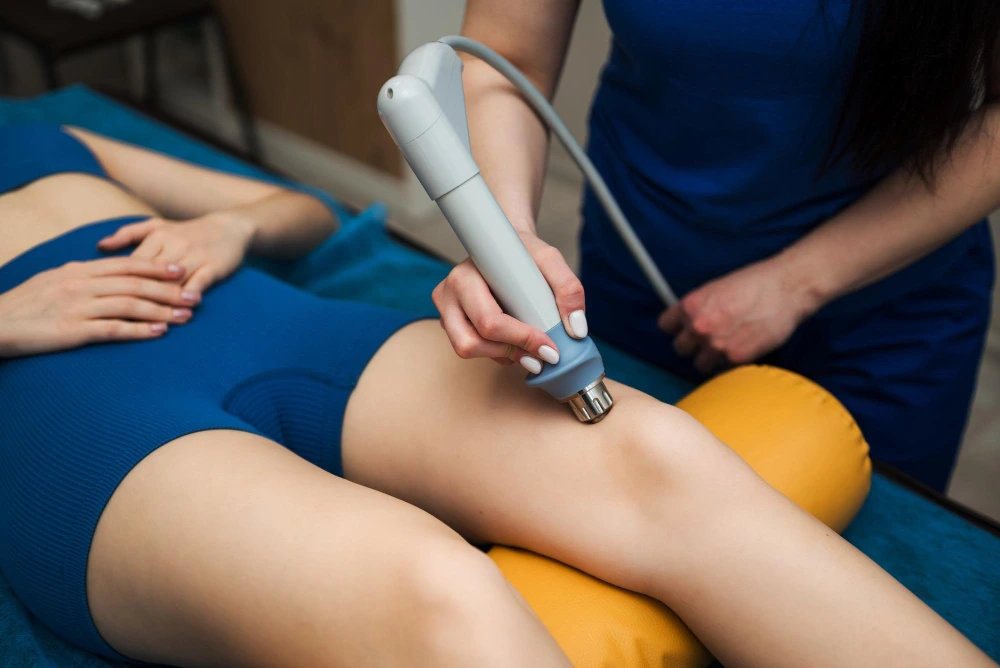
    The process is pretty straightforward. A healthcare professional uses a device that emits these shockwaves, targeting specific areas where you’re experiencing discomfort. 

    What makes it appealing? For starters, it’s quick—each session typically lasts around 15 to 20 minutes—and most people experience minimal discomfort during the procedure. Plus, many patients report noticeable improvement after just a few sessions. So if you’re looking for an effective way to tackle pain without surgery or long recovery times, shockwave therapy might be worth considering!

    Common Musculoskeletal Conditions Treated by Shockwave Therapy

    Shockwave therapy has emerged as a popular treatment option for various musculoskeletal conditions, and for good reason. Here’s a candid look at some of the common issues that can benefit from this innovative therapy:

    • Plantar Fasciitis
    • Tendinitis
    • Achilles Tendinopathy
    • Shoulder Pain
    • Hip Bursitis
    • Tennis Elbow 
    • Knee Pain 

    Shockwave Therapy for Sports Injuries: Benefits and Applications

    Shockwave therapy has emerged as a revolutionary treatment option for various sports injuries, offering numerous benefits that can significantly enhance recovery. Here’s a list of its key applications and advantages:

    • Effective Treatment for Muscle Strains
    • Ligament Injury Recovery
    • Pain Reduction
    • Non-Invasive Procedure
    • Accelerated Recovery Acceleration
    • Improved Range of Motion

    The Role of Shockwave Therapy in Orthopedic Rehabilitation

    Shockwave therapy has emerged as a significant tool in orthopedic rehabilitation, offering a non-invasive treatment option for various musculoskeletal conditions. This innovative therapy utilizes acoustic waves to stimulate healing and reduce pain in affected tissues.

    The primary role of shockwave therapy is to enhance blood circulation, promote cellular repair, and decrease inflammation in injured areas. It is particularly effective for conditions such as tendinitis, plantar fasciitis, and calcific shoulder injuries. By delivering focused energy to the targeted site, patients often experience faster recovery times and improved mobility.

    Incorporating shockwave therapy into rehabilitation protocols can complement traditional treatments like physical therapy or medication. As research continues to support its efficacy, it is becoming an integral part of comprehensive orthopedic care strategies aimed at optimizing patient outcomes.

    In conclusion, determining whether Shockwave Therapy is the right treatment option for you involves careful consideration of your specific condition and personal health goals. However, it’s essential to consult with a healthcare professional to evaluate your individual circumstances and explore all available treatment options. By doing so, you can make an informed decision that aligns with your needs and ultimately enhances your quality of life. Remember, the best path to recovery is one tailored specifically for you.

  • Chiropractic Care for Headaches and Migraines

    Chiropractic Care for Headaches and Migraines

    Living with headaches and migraines can be an incredibly challenging experience that affects every aspect of daily life. It’s frustrating to search for relief, trying different remedies and treatments with varying degrees of success. That’s where chiropractic care comes into play. 

    Many people don’t realize that chiropractic adjustments can help alleviate headache symptoms by addressing underlying issues in the spine and nervous system. In this blog, we’ll explore how regular visits to a chiropractor could be a game-changer for managing your headaches and migraines.

    How Chiropractic Care Works

    Chiropractic care has emerged as a popular alternative treatment for headaches and migraines, focusing on the relationship between the spine and overall health. The primary principle behind chiropractic care is that misalignments in the spine, known as subluxations, can cause nerve interference and lead to various health issues, including headaches.

    When a patient visits a chiropractor for headache relief, the practitioner typically begins with a thorough examination to assess spinal alignment and identify any areas of tension or dysfunction. Treatment often involves spinal adjustments aimed at restoring proper alignment and function to the spine. These adjustments can help alleviate pressure on nerves, improve blood flow, and promote better overall communication within the nervous system.

    In addition to spinal manipulation, chiropractors may employ other techniques such as soft tissue therapy, stretching exercises, and lifestyle recommendations to help manage headache triggers. Many patients report significant relief from their symptoms after undergoing chiropractic treatment, highlighting its effectiveness as a complementary approach to traditional medical options for managing headaches and migraines. Overall, chiropractic care offers a holistic perspective on treating these common ailments by addressing underlying structural issues rather than simply masking symptoms with medication.

    Lifestyle Changes and Home Remedies to Enhance Chiropractic Treatment Outcomes

    Chiropractic treatment can be significantly enhanced by implementing certain lifestyle changes and home remedies that support overall wellness. These adjustments not only complement the manual therapies performed by chiropractors but also promote long-term health benefits.

    First, maintaining a balanced diet rich in anti-inflammatory foods can aid in recovery and improve spinal health. Incorporating fruits, vegetables, whole grains, and healthy fats can help reduce inflammation and support tissue healing. Staying hydrated is equally important; proper hydration helps maintain spinal disc integrity and supports overall bodily functions.

    Regular physical activity is another vital component. Engaging in low-impact exercises such as walking, swimming, or yoga can strengthen core muscles that provide stability to the spine while improving flexibility. This proactive approach creates a supportive environment for chiropractic adjustments to take effect.

    In addition to diet and exercise, integrating practices like proper ergonomics at work or during daily activities can prevent strain on the spine. Using supportive chairs or adjusting computer screens to eye level are simple modifications that can make a significant difference.

    Finally, certain home remedies such as applying heat or cold therapy post-treatment may alleviate discomfort and enhance recovery further. Heat pads can relax tightened muscles while cold packs reduce inflammation after an adjustment.

    By adopting these lifestyle changes and home remedies alongside chiropractic care, individuals can maximize their treatment outcomes and foster lasting wellness.

  • Why Weight Loss with Proper Nourishment is Crucial for Your Health and Well-being

    Why Weight Loss with Proper Nourishment is Crucial for Your Health and Well-being

    Understanding the Importance of Proper Nourishment in Weight Loss

    Proper nourishment plays a critical role in successful weight loss, serving as the foundation for sustainable health and well-being. When embarking on a weight loss journey, it is essential to focus not just on calorie reduction but also on the quality of the foods consumed. Nutrient-dense foods, such as fruits, vegetables, whole grains, lean proteins, and healthy fats, provide the body with essential vitamins and minerals that support metabolic processes and overall health.

    Understanding macronutrients—carbohydrates, proteins, and fats—is vital for creating a balanced diet that fuels workouts and daily activities while promoting fat loss. For instance, incorporating adequate protein can enhance muscle retention during weight loss efforts and increase satiety levels. Additionally, healthy fats are crucial for hormone regulation and can help curb cravings when consumed in moderation. Ultimately, understanding the importance of nourishing the body with wholesome foods is key to achieving sustainable weight loss goals.

    Why Nourishing Your Body Affects Your Mindset During Weight Loss

    The connection between mental health and nutrition is increasingly recognized as a vital aspect of successful weight loss journeys. When individuals embark on dieting, the psychological effects can be profound, influencing not only their physical well-being but also their emotional state. Understanding this relationship is crucial for fostering a healthy mindset during weight loss.

    One significant factor to consider is emotional eating, where individuals may turn to food for comfort rather than hunger. This behavior can derail weight loss efforts and lead to feelings of guilt or shame. By focusing on mindful eating practices, individuals can cultivate a more positive relationship with food. Mindful eating encourages awareness of hunger cues and promotes savoring each bite, which helps prevent overeating and enhances satisfaction.

    Moreover, nourishing the body with balanced nutrition has direct implications for mental health. Foods rich in vitamins, minerals, and omega-3 fatty acids can improve mood and reduce anxiety levels. As such, integrating nutrient-dense foods into one’s diet not only supports physical goals but also contributes to a healthier mindset during the weight loss process.

    Therefore, acknowledging the interplay between mental health and nutrition equips individuals with tools to navigate their weight loss journey more effectively. 

    Avoiding Common Pitfalls: The Dangers of Fad Diets and Malnutrition

    Fad diets often promise rapid weight loss and quick results, but the risks associated with these trendy eating plans can far outweigh the benefits. Many of these diets are not based on sound nutritional principles and can lead to malnutrition, as they often restrict essential food groups or nutrients. The consequences of malnutrition can be severe, including weakened immune function, fatigue, and long-term health issues.

    Moreover, fad diets frequently perpetuate diet myths that mislead individuals about healthy eating. For instance, some may claim that certain foods are “bad” while others are “good,” oversimplifying the complex nature of nutrition. It’s crucial to debunk these myths and recognize that sustainable weight loss strategies focus on balanced eating patterns rather than extreme restrictions.

    Instead of falling for the allure of quick fixes, individuals should aim for gradual changes in their diet that promote overall health and well-being. Emphasizing whole foods, regular physical activity, and mindful eating habits can foster a healthier relationship with food while achieving lasting results without the dangers associated with fad diets.

    In conclusion, embracing proper nourishment is essential for achieving lasting weight loss success and enhancing overall health. By prioritizing proper nourishment and making sustainable lifestyle changes, you can cultivate a healthier relationship with food and achieve long-term success in your wellness journey. Remember that every small step counts towards significant improvements in health and well-being.


  • Why is Spinal Decompression Effective for Back Pain Compared to Traditional Methods?

    Why is Spinal Decompression Effective for Back Pain Compared to Traditional Methods?

    If you’re suffering from back pain, you’re certainly not alone. Millions of individuals experience discomfort due to various reasons, ranging from poor posture to injury. Traditional methods for alleviating back pain often include medication, physical therapy, and sometimes invasive surgery. However, a growing number of people are turning to spinal decompression therapy as an alternative treatment option that offers promising results.

    In this blog post, we’ll explore how spinal decompression compares to traditional methods for treating back pain and why it might be worth considering as part of your recovery journey.

    The Science Behind Spinal Decompression and Its Benefits for Back Pain Relief

    Spinal decompression therapy is a non-invasive treatment aimed at alleviating back pain and promoting overall spinal health. The science behind this technique lies in its ability to relieve pressure on the intervertebral discs, which act as cushions between the vertebrae in the spine. When these discs become compressed due to various factors such as poor posture, injury, or degenerative conditions, they can lead to pain and discomfort.

    One of the primary benefits of spinal decompression is its effectiveness in reducing pressure on nerves that may be pinched or irritated by herniated or bulging discs. By gently stretching the spine, this therapy creates negative pressure within the discs, allowing them to rehydrate and regain their natural shape. This process not only helps alleviate pain but also promotes healing by improving circulation within the affected areas.

    Additionally, spinal decompression can enhance overall mobility and flexibility by restoring proper alignment of the spine. As a result, patients often experience significant improvements in their quality of life as they find relief from chronic back pain through this innovative treatment option.

    Comparative Analysis: Spinal Decompression vs. Conventional Treatment Methods

    When considering treatment options for spinal issues, it’s essential to understand the differences between spinal decompression therapy and conventional treatment methods such as surgery, physical therapy, or medication. Here’s a comparative analysis of these approaches based on several key factors:

    1. Effectiveness: Spinal decompression therapy is designed to relieve pressure on the spine by gently stretching it, which can alleviate pain and promote healing. In contrast, traditional surgical methods aim to correct structural problems but may come with longer recovery times and potential complications. Studies indicate that while surgery can be effective for severe cases, many patients experience significant relief through non-invasive decompression techniques.
    2. Patient Outcomes: The outcomes of treatment can vary widely between these two methods. Patients who undergo spinal decompression often report improved mobility and reduced pain levels without the risks associated with surgical procedures. However, those opting for surgery may experience immediate relief from specific conditions but face a longer rehabilitation period.
    3. Cost-Effectiveness: From a financial perspective, spinal decompression tends to be more cost-effective than surgery. Surgical interventions often involve high hospital bills, anesthesia costs, and follow-up care expenses that can accumulate quickly. In contrast, non-surgical treatments like spinal decompression usually require fewer sessions at a lower overall cost while providing similar or better long-term results for many patients.

    In summary, when comparing spinal decompression vs. conventional treatment methods like surgery, it’s crucial to consider effectiveness, patient outcomes, and cost-effectiveness in making an informed decision about your healthcare options.

    .

  • The Connection Between Nerve Pain and Other Health Conditions: Understanding the Links

    The Connection Between Nerve Pain and Other Health Conditions: Understanding the Links

    Nerve pain, also known as neuropathic pain, arises from damage or dysfunction in the nervous system. It can manifest as sharp, shooting sensations, burning feelings, or numbness. Common causes include diabetes, injuries, infections, and certain medical conditions like multiple sclerosis. Understanding nerve pain is crucial for effective management and treatment.

    Common Health Conditions Associated with Nerve Pain

    Here are some common health conditions linked to nerve pain:

    1. Diabetes and Nerve Pain: Diabetic neuropathy is a common complication of diabetes, resulting from prolonged high blood sugar levels that damage nerves, particularly in the feet and hands.
    2. Fibromyalgia and Nerve Pain: Fibromyalgia is characterized by widespread musculoskeletal pain, but it often includes nerve-related symptoms such as tingling or burning sensations due to heightened sensitivity in the nervous system.
    3. Multiple Sclerosis and Nerve Damage: Multiple sclerosis (MS) can lead to significant nerve damage as the immune system attacks the protective myelin sheath surrounding nerves, causing various neurological symptoms including pain.
    4. Sciatica Connection: Sciatica occurs when the sciatic nerve is compressed or irritated, often due to herniated discs or spinal stenosis, leading to sharp pain that radiates down the leg.
    5. Arthritis and Neuropathy: Arthritis can cause inflammation that affects nearby nerves, leading to neuropathy symptoms such as numbness or tingling in areas affected by joint issues.

    Recognizing these conditions can aid in early diagnosis and intervention for those experiencing nerve pain.

    The Role of Inflammation in Nerve Pain and Related Disorders

    Inflammation plays a crucial role in the development and exacerbation of nerve pain and related disorders. When the body experiences an injury or infection, the immune system responds by initiating an inflammatory process to protect and heal tissues. However, when this inflammation becomes chronic, it can lead to persistent pain and discomfort.

    In conditions such as neuropathy, multiple sclerosis, and fibromyalgia, inflammation can damage nerve fibers or alter their function. This disruption often results in abnormal pain signals being sent to the brain, leading to heightened sensitivity and chronic pain experiences. Furthermore, inflammatory cytokines—proteins released during inflammation—can influence nerve signaling pathways, amplifying the perception of pain.

    Understanding the relationship between inflammation and nerve pain is essential for developing effective treatment strategies. Therapies that target inflammation may help alleviate symptoms for those suffering from these debilitating conditions. By addressing both the underlying inflammatory processes and providing symptomatic relief, healthcare providers can improve patient outcomes significantly.

    Nerve Pain as a Symptom: When to Seek Medical Attention

    Nerve pain can manifest in various ways, often presenting as sharp, shooting sensations, tingling, or a persistent ache. It is essential to recognize that while nerve pain may sometimes be temporary and linked to minor issues, it can also indicate more serious underlying conditions. Understanding when to seek medical attention is crucial for proper diagnosis and treatment.

    If you experience nerve pain that persists for more than a few days or worsens over time, it is advisable to consult a healthcare professional. Additionally, if the pain is accompanied by other symptoms such as weakness in the limbs, loss of coordination, or changes in bladder or bowel function, these could signal a more significant neurological issue that requires immediate evaluation.

    Other red flags include sudden onset of severe pain after an injury or trauma and any signs of infection like fever or swelling in the affected area. Early intervention can lead to better outcomes and help prevent further complications associated with nerve damage. Always prioritize your health by seeking medical advice when experiencing concerning symptoms related to nerve pain.


  • Understanding Shockwave Therapy for Neuropathy: A Promising Treatment Option

    Understanding Shockwave Therapy for Neuropathy: A Promising Treatment Option

    Neuropathy, a condition characterized by nerve damage, can lead to a range of debilitating symptoms including pain, tingling, and numbness. For those suffering from this often-chronic condition, finding effective treatment options is crucial. In recent years, shockwave therapy has emerged as a promising alternative for alleviating neuropathic pain and improving overall nerve function. 

    The Role of Shockwave Therapy in Treating Neuropathy Symptoms

    Shockwave therapy is emerging as a promising treatment option for individuals suffering from neuropathy symptoms. This non-invasive procedure utilizes acoustic waves to stimulate healing in damaged tissues, promoting blood flow and reducing inflammation.

    Neuropathy, often characterized by pain, tingling, or numbness in the extremities, can significantly impact a person’s quality of life. Traditional treatments may include medications or physical therapy; however, shockwave therapy offers an alternative that targets the underlying issues rather than merely masking the symptoms.

    The treatment works by delivering high-energy sound waves to the affected areas. These waves promote cellular repair and regeneration while also enhancing nerve function. Many patients report improvements in their symptoms following a series of sessions, including reduced pain levels and improved sensory perception.

    Moreover, shockwave therapy is generally well-tolerated with minimal side effects, making it an appealing option for those seeking relief from chronic neuropathic pain. As more research emerges on its effectiveness and applications, shockwave therapy could play a crucial role in comprehensive neuropathy management strategies.

    Comparing Shockwave Therapy with Other Treatments for Neuropathy

    When considering treatment options for neuropathy, Shockwave Therapy stands out as a non-invasive alternative. Unlike traditional methods such as medication or surgery, Shockwave Therapy utilizes acoustic waves to stimulate healing and improve blood flow in affected areas.

    In contrast, medications often come with side effects and may only mask symptoms rather than address the underlying causes. Physical therapy can be beneficial but typically requires a longer commitment and may not provide immediate relief.

    Moreover, surgical interventions carry inherent risks and are usually reserved for severe cases. Shockwave Therapy offers a promising option that is generally well-tolerated and can be used in conjunction with other treatments to enhance overall outcomes for patients suffering from neuropathy.

    What to Expect During a Shockwave Therapy Session for Neuropathy

    Shockwave therapy is an innovative treatment option for neuropathy that aims to alleviate pain and promote healing. During a typical session, patients can expect to be comfortably positioned while the therapist applies a handheld device that emits acoustic waves to the affected areas. This non-invasive procedure typically lasts between 15 to 30 minutes, depending on the severity of the condition and the specific areas being treated.

    Before starting, practitioners will usually conduct a thorough assessment of the patient’s medical history and symptoms to tailor the treatment effectively. Patients may experience mild discomfort during the application of shockwaves, but this is generally well-tolerated. Many report feeling immediate relief post-session, although it may take several treatments to achieve optimal results.

    Additionally, it’s essential for patients to discuss any concerns or questions with their healthcare provider beforehand. Understanding what to expect can help ease any anxiety and ensure a more comfortable experience throughout the therapy process. As shockwave therapy continues gaining recognition for its effectiveness in managing neuropathy symptoms, many individuals are finding renewed hope in their journey toward recovery.