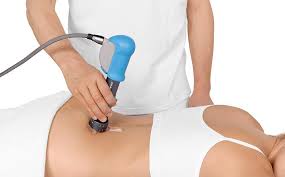

Nerve pain, also known as neuropathic pain, occurs when nerves are damaged or dysfunctional. This type of pain often feels sharp, burning, or tingling and can be persistent or intermittent. Sensory loss, on the other hand, refers to a reduced ability to feel sensations such as touch, temperature, or vibration. Both nerve pain and sensory loss can result from conditions like diabetes, injury, infections, or certain neurological disorders. Recognizing these symptoms early is important for effective treatment and management.
Diagnosing the Underlying Cause of Nerve Issues
Identifying the root cause of nerve problems is essential for effective treatment. Here are key steps and tests used in diagnosing nerve issues:
Neurological Examination: Diagnostic Tests for Nerve Pain: Physicians may recommend specific tests to measure nerve function and locate damage.
EMG Test (Electromyography): This test evaluates electrical activity in muscles, helping detect abnormal nerve signals or muscle disorders.
MRI for Nerve Damage: Magnetic Resonance Imaging provides detailed images of nerves and surrounding tissues, revealing compression or structural abnormalities.
Identifying Neuropathy Causes: Blood tests and other screenings help uncover underlying conditions like diabetes or vitamin deficiencies that may contribute to neuropathy.
By combining these diagnostic tools, healthcare providers can accurately determine the cause of nerve pain and create a targeted treatment plan.
Medications for Nerve Pain Relief
Nerve pain, also known as neuropathic pain, can be challenging to manage. Several medications are commonly prescribed to provide relief. These include anticonvulsants like gabapentin and pregabalin, which help calm overactive nerves.
Certain antidepressants, such as amitriptyline and duloxetine, can also reduce nerve pain by affecting neurotransmitter levels in the brain. In some cases, topical treatments like lidocaine patches or capsaicin cream may offer localized relief.
Non-Pharmacological Therapies and Lifestyle Changes
Managing nerve pain and neuropathy often involves more than just medication. Here are some effective non-pharmacological therapies and lifestyle changes:
Physical Therapy for Nerve Pain: Targeted exercises and stretches guided by a physical therapist can help reduce nerve pain, improve mobility, and prevent muscle weakness.
Occupational Therapy for Sensory Loss Management: Occupational therapists teach practical strategies to cope with sensory loss, making daily tasks safer and easier.
Exercise and Neuropathy Relief: Regular low-impact activities like walking, swimming, or yoga can boost circulation, reduce discomfort, and support overall nerve health.
Dietary Changes for Nerves: A balanced diet rich in vitamins B12, E, omega-3 fatty acids, and antioxidants helps protect nerves. Limiting alcohol and managing blood sugar levels are also crucial for nerve health.
Incorporating these therapies into your routine can significantly improve quality of life for those living with neuropathy.
Surgical and Interventional Procedures
For individuals suffering from severe neuropathy or chronic nerve pain, advanced surgical and interventional procedures can offer significant relief. Nerve decompression surgery is one such option, targeting compressed nerves to alleviate pain and restore function. Another innovative approach is the use of a spinal cord stimulator for nerve pain; this device delivers electrical impulses to the spinal cord, disrupting pain signals before they reach the brain.
Additionally, minimally invasive procedures for neuropathy are becoming increasingly popular due to their reduced recovery times and lower risk of complications.
- Nerve Blocks
- Spinal Cord Stimulation
- Peripheral Nerve Stimulation
- Radiofrequency Ablation
- Minimally Invasive Decompression Surgery
- Platelet-Rich Plasma (PRP) Therapy
These targeted treatments provide hope for patients who have not found relief through conservative therapies.