
Category: Neuropathy

  • NEUROPATHY SYMPTOMS: WHEN YOUR NERVES ARE TRYING TO TELL YOU SOMETHING

    NEUROPATHY SYMPTOMS: WHEN YOUR NERVES ARE TRYING TO TELL YOU SOMETHING

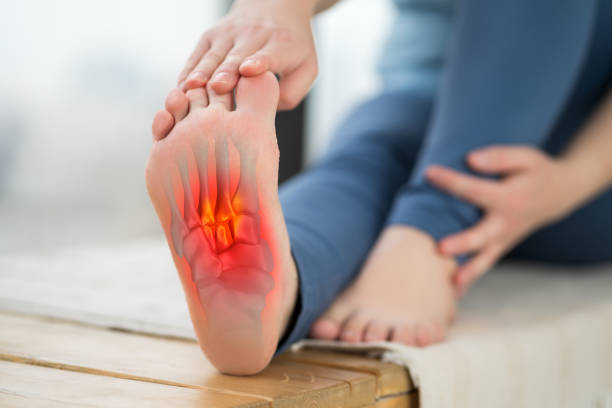
    Numbness, tingling, burning, or unexplained weakness may seem like minor problems at first. But when these sensations keep returning, they could be signs of neuropathy. Neuropathy occurs when nerves outside the brain and spinal cord become damaged or irritated. Recognizing the symptoms early can help you seek appropriate care and manage the underlying cause.

    What Is Neuropathy?

    Peripheral nerves carry messages between your brain, spinal cord, and the rest of your body. When these nerves are damaged, they may not send signals properly. This can affect how you feel movement, temperature, and touch.

    Neuropathy can develop for many reasons. Diabetes is a common cause, but certain medications, nutritional deficiencies, infections, alcohol use, injuries, and other medical conditions may also contribute.

    Symptoms can vary from person to person depending on the nerves involved.

    Numbness and Tingling

    One of the most common signs of neuropathy is numbness or tingling, particularly in the hands, fingers, feet, or legs.

    You may feel as though your foot or hand has “fallen asleep.” Some people describe the sensation as pins and needles. It may come and go or gradually become more noticeable.

    Burning or Shooting Pain

    Neuropathy can cause unusual pain that does not always have an obvious cause. You may experience a burning, stabbing, aching, or electric-shock-like sensation.

    This discomfort can sometimes become worse at night and may interfere with sleep or daily activities.

    Increased Sensitivity

    Even gentle touch may feel uncomfortable when nerves are affected. Clothing, bedsheets, or light pressure against the skin may cause pain or irritation.

    Some people may also become unusually sensitive to hot or cold temperatures. Reduced sensation can make it harder to notice injuries or burns.

    Muscle Weakness and Heaviness

    Nerves also help control muscles. When motor nerves are affected, you may notice muscle weakness, heaviness, or difficulty moving certain parts of the body.

    Simple activities such as walking, climbing stairs, opening containers, or gripping objects may become more difficult.

    Balance and Coordination Problems

    Nerve damage in the feet and legs can affect your awareness of where your body is positioned. This may contribute to poor balance, unsteady walking, or frequent falls.

    If you notice new or worsening balance problems, it is important to discuss them with a healthcare professional.

    Changes in Sensation

    Neuropathy does not always cause pain. Some people experience reduced ability to feel touch, pressure, vibration, or temperature.

    Because sensation may be reduced, small cuts, blisters, or other injuries can go unnoticed. Regularly checking your feet and skin can be especially important if you have reduced sensation.

    When Should You Seek Help?

    Occasional tingling may have a simple explanation, but persistent, worsening, or unexplained symptoms deserve medical attention. Early evaluation can help identify possible causes and determine appropriate treatment.

    A healthcare professional may review your symptoms and medical history and perform physical or neurological tests. Additional tests may be recommended depending on your situation.

    Listen to What Your Nerves Are Telling You

    Neuropathy symptoms can be easy to overlook, but your body may be giving you an important warning. Numbness, burning pain, tingling, weakness, and balance problems should not simply be ignored when they persist.

    Recognizing symptoms early and addressing the underlying cause can be an important step toward protecting nerve health and maintaining your quality of life.

  • Advanced Treatments for Neuropathy: Cutting-Edge Options for Lasting Nerve Pain Relief

    Advanced Treatments for Neuropathy: Cutting-Edge Options for Lasting Nerve Pain Relief

    Neuropathy is a condition caused by damage to the peripheral nerves, which carry messages between the brain, spinal cord, and the rest of the body. When these nerves are damaged, people may experience numbness, tingling, burning pain, muscle weakness, or loss of balance—often starting in the hands and feet. It can result from diabetes, infections, autoimmune disorders, chemotherapy, vitamin deficiencies, or even prolonged pressure on nerves.

    Advanced treatments matter because they go beyond simply masking pain. Newer approaches aim to protect and repair nerves, improve blood flow, and address the root causes of nerve damage. By using more targeted therapies early, people have a better chance of slowing or even preventing progression, maintaining mobility, and preserving quality of life.

    Advanced Medications and Biologic Therapies for Neuropathy

    Advanced medications and biologic therapies for neuropathy are designed to target both symptoms and underlying disease mechanisms more precisely than traditional treatments. While standard options like over-the-counter pain relievers or basic antidepressants can help, they often don’t fully address severe or progressive neuropathic pain. Newer approaches aim to calm overactive nerves, reduce inflammation, and in some cases promote nerve repair.

    Key options include:
    • SNRIs (serotonin–norepinephrine reuptake inhibitors)
    • Certain anticonvulsants for nerve stabilization
    • Topical high‑concentration capsaicin patches
    • Lidocaine patches for localized pain
    • Biologic drugs that target specific inflammatory pathways
    • Monoclonal antibodies directed at pain-signaling molecules
    • Neurotrophic factors and growth factor–based therapies (experimental)
    • Gene and cell‑based therapies (in clinical trials)

    These advanced and biologic therapies are typically prescribed by specialists, often after first‑line treatments have failed. They may offer better pain control and functional improvement for some patients, but they can come with higher costs, the need for monitoring, and potential side effects. Careful evaluation by a neurologist or pain specialist helps determine which options are appropriate for an individual’s type and severity of neuropathy.

    Cutting-Edge Nerve Stimulation and Neuromodulation Techniques

    Cutting-edge nerve stimulation and neuromodulation techniques for neuropathy are rapidly expanding, offering more targeted symptom relief and improved quality of life. Key approaches include:

    • Transcutaneous electrical nerve stimulation (TENS)
    • Peripheral nerve stimulation (PNS)
    • Spinal cord stimulation (SCS)
    • Dorsal root ganglion (DRG) stimulation
    • Scrambler therapy
    • Vagus nerve stimulation (VNS)
    • High-frequency and burst stimulation modes
    • Closed-loop neuromodulation systems

    Minimally Invasive Procedures and Interventional Pain Techniques

    Minimally invasive procedures and interventional pain techniques for neuropathy focus on targeting pain at its source while reducing trauma to surrounding tissues. These options are typically considered when medications, physical therapy, and lifestyle changes are not providing enough relief, or when side effects of systemic treatments become a concern.

    Common minimally invasive and interventional techniques for neuropathic pain include:

    • Nerve blocks (peripheral nerve blocks, sympathetic blocks)
    • Epidural steroid injections
    • Spinal cord stimulation (SCS)
    • Dorsal root ganglion (DRG) stimulation
    • Peripheral nerve stimulation
    • Radiofrequency ablation (conventional or pulsed RF)
    • Intrathecal drug delivery systems (pain pumps)

    Which option is appropriate depends on the type and location of neuropathy, prior treatments, overall health, and personal goals. These procedures are usually performed by pain management or interventional spine specialists after a thorough evaluation and often as part of a broader, multidisciplinary pain management plan.

    In conclusion, evaluating and accessing advanced treatments for neuropathy safely comes down to three essentials: reliable information, qualified providers, and careful monitoring. Start by consulting a neurologist or pain specialist who can explain which options are evidence-based for your specific type and stage of neuropathy. Ask about clinical trial data, potential side effects, and realistic outcomes before beginning any new therapy. Avoid unproven “miracle cures” and always verify that clinics and products are properly licensed and regulated. 

    Once a treatment is chosen, track your symptoms, side effects, and functional changes, and report them promptly to your care team. By combining medical guidance with your own informed caution, you can explore advanced therapies while protecting your safety and long‑term health.

  • Finding Relief: How Class IV Laser Therapy and Shockwave Therapy Offer Hope for Neuropathy Treatment

    Finding Relief: How Class IV Laser Therapy and Shockwave Therapy Offer Hope for Neuropathy Treatment

    Neuropathy refers to damage or dysfunction of the nerves, often resulting in symptoms like numbness, tingling, weakness, or pain—most commonly in the hands and feet. It can be caused by various factors such as diabetes, infections, injuries, or exposure to toxins. Early detection and proper management are crucial to prevent further nerve damage and improve quality of life. In this blog, we shall see how Class IV laser therapy and Shockwave therapy offers hope for Neuropathy.

    How Class IV Laser Therapy Helps in Treating Neuropathy

    Class IV laser therapy for neuropathy is rapidly gaining recognition as a non-invasive and effective treatment option. This advanced therapy utilizes high-powered lasers to penetrate deep into tissues, stimulating cellular repair and reducing inflammation. The primary benefit of Class IV laser therapy lies in its ability to increase blood flow to affected areas, which helps deliver essential nutrients and oxygen needed for nerve healing.

    Patients suffering from neuropathy often experience symptoms such as tingling, numbness, burning sensations, or weakness. By targeting these symptoms at the source, Class IV laser therapy can help reduce pain and discomfort without the need for medication or surgery. Many patients report improved nerve function and a noticeable decrease in their neuropathic symptoms after just a few sessions.

    Additionally, this form of laser therapy accelerates tissue repair by promoting ATP (adenosine triphosphate) production within cells. This energy boost enhances the body’s natural healing processes and supports long-term recovery. Overall, the benefits of Class IV laser therapy for neuropathy include pain reduction, improved mobility, faster healing times, and an enhanced quality of life—making it a promising option for those seeking relief from chronic nerve pain.

    The Science Behind Shockwave Therapy in Neuropathy Treatment

    Shockwave therapy for nerves, also known as extracorporeal shockwave therapy (ESWT), is an innovative approach gaining attention in the field of regenerative medicine for neuropathy. This non-invasive treatment uses focused acoustic waves to stimulate healing processes within the affected nerves and surrounding tissues. But how does shockwave work on nerves? The science lies in its ability to promote cellular regeneration and enhance blood flow.

    When applied to areas impacted by neuropathy, ESWT delivers controlled mechanical energy that triggers a cascade of biological responses. These include the release of growth factors, increased production of collagen, and improved microcirculation—all crucial elements for nerve repair and regeneration. Studies suggest that shockwave therapy may reduce inflammation, encourage nerve cell proliferation, and even help restore normal nerve function over time.

    As regenerative medicine for neuropathy continues to evolve, shockwave therapy stands out as a promising tool. It offers hope for patients seeking alternatives to medications or invasive procedures by harnessing the body’s own capacity to heal damaged nerves naturally.

    When combined, Class IV Laser Therapy and Shockwave Therapy offer a synergistic approach to neuropathy care. The laser’s deep tissue stimulation complements the regenerative effects of shockwaves—together they can accelerate recovery times, enhance pain relief outcomes, and support long-term nerve health. Many clinicians are now incorporating both therapies into customized treatment plans to maximize results for patients living with neuropathic symptoms.

  • Treatment Options for Managing Nerve Pain and Sensory Loss

    Treatment Options for Managing Nerve Pain and Sensory Loss

    Nerve pain, also known as neuropathic pain, occurs when nerves are damaged or dysfunctional. This type of pain often feels sharp, burning, or tingling and can be persistent or intermittent. Sensory loss, on the other hand, refers to a reduced ability to feel sensations such as touch, temperature, or vibration. Both nerve pain and sensory loss can result from conditions like diabetes, injury, infections, or certain neurological disorders. Recognizing these symptoms early is important for effective treatment and management.

    Diagnosing the Underlying Cause of Nerve Issues

    Identifying the root cause of nerve problems is essential for effective treatment. Here are key steps and tests used in diagnosing nerve issues:

    Neurological Examination: Diagnostic Tests for Nerve Pain: Physicians may recommend specific tests to measure nerve function and locate damage.

    EMG Test (Electromyography): This test evaluates electrical activity in muscles, helping detect abnormal nerve signals or muscle disorders.

    MRI for Nerve Damage: Magnetic Resonance Imaging provides detailed images of nerves and surrounding tissues, revealing compression or structural abnormalities.

    Identifying Neuropathy Causes: Blood tests and other screenings help uncover underlying conditions like diabetes or vitamin deficiencies that may contribute to neuropathy.

    By combining these diagnostic tools, healthcare providers can accurately determine the cause of nerve pain and create a targeted treatment plan.

    Medications for Nerve Pain Relief

    Nerve pain, also known as neuropathic pain, can be challenging to manage. Several medications are commonly prescribed to provide relief. These include anticonvulsants like gabapentin and pregabalin, which help calm overactive nerves.

    Certain antidepressants, such as amitriptyline and duloxetine, can also reduce nerve pain by affecting neurotransmitter levels in the brain. In some cases, topical treatments like lidocaine patches or capsaicin cream may offer localized relief. 

    Non-Pharmacological Therapies and Lifestyle Changes

    Managing nerve pain and neuropathy often involves more than just medication. Here are some effective non-pharmacological therapies and lifestyle changes:

    Physical Therapy for Nerve Pain: Targeted exercises and stretches guided by a physical therapist can help reduce nerve pain, improve mobility, and prevent muscle weakness.

    Occupational Therapy for Sensory Loss Management: Occupational therapists teach practical strategies to cope with sensory loss, making daily tasks safer and easier.

    Exercise and Neuropathy Relief: Regular low-impact activities like walking, swimming, or yoga can boost circulation, reduce discomfort, and support overall nerve health.

    Dietary Changes for Nerves: A balanced diet rich in vitamins B12, E, omega-3 fatty acids, and antioxidants helps protect nerves. Limiting alcohol and managing blood sugar levels are also crucial for nerve health.

    Incorporating these therapies into your routine can significantly improve quality of life for those living with neuropathy.

    Surgical and Interventional Procedures

    For individuals suffering from severe neuropathy or chronic nerve pain, advanced surgical and interventional procedures can offer significant relief. Nerve decompression surgery is one such option, targeting compressed nerves to alleviate pain and restore function. Another innovative approach is the use of a spinal cord stimulator for nerve pain; this device delivers electrical impulses to the spinal cord, disrupting pain signals before they reach the brain. 

    Additionally, minimally invasive procedures for neuropathy are becoming increasingly popular due to their reduced recovery times and lower risk of complications. 

    • Nerve Blocks
    • Spinal Cord Stimulation
    • Peripheral Nerve Stimulation
    • Radiofrequency Ablation
    • Minimally Invasive Decompression Surgery
    • Platelet-Rich Plasma (PRP) Therapy

    These targeted treatments provide hope for patients who have not found relief through conservative therapies.