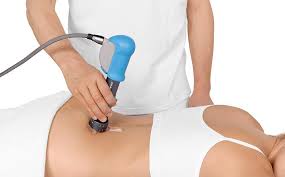
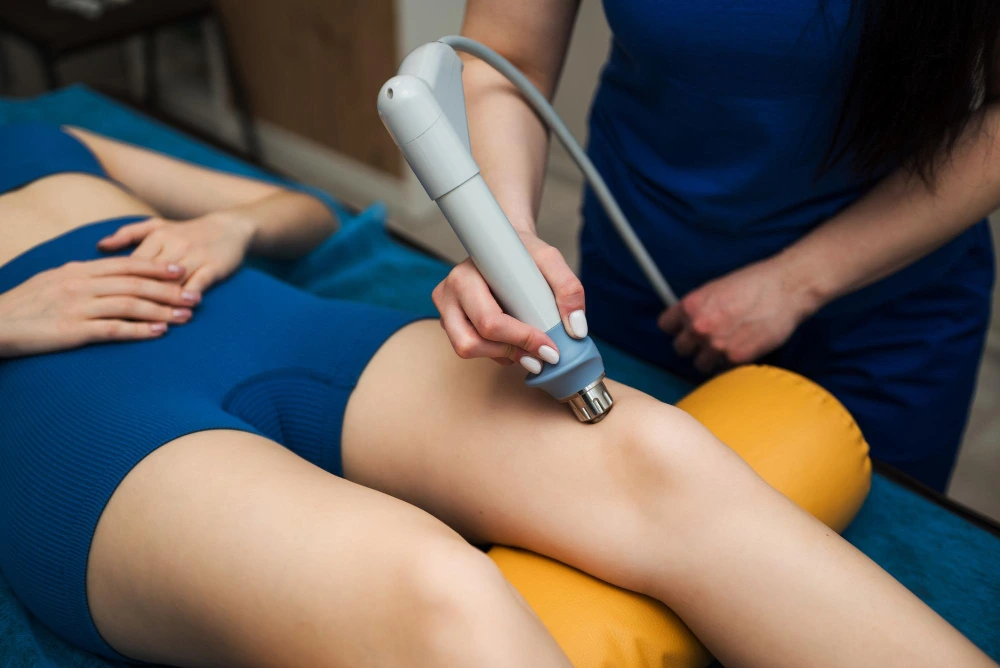
Shockwave therapy is a non-invasive treatment that’s gaining traction for its ability to alleviate pain and promote healing. So, what exactly is it? In simple terms, shockwave therapy involves sending acoustic waves into the affected area of the body. These sound waves stimulate circulation, break down scar tissue, and encourage cellular repair.
The process is pretty straightforward. A healthcare professional uses a device that emits these shockwaves, targeting specific areas where you’re experiencing discomfort.
What makes it appealing? For starters, it’s quick—each session typically lasts around 15 to 20 minutes—and most people experience minimal discomfort during the procedure. Plus, many patients report noticeable improvement after just a few sessions. So if you’re looking for an effective way to tackle pain without surgery or long recovery times, shockwave therapy might be worth considering!
Common Musculoskeletal Conditions Treated by Shockwave Therapy
Shockwave therapy has emerged as a popular treatment option for various musculoskeletal conditions, and for good reason. Here’s a candid look at some of the common issues that can benefit from this innovative therapy:
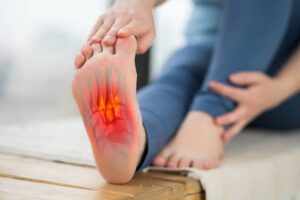
- Plantar Fasciitis
- Tendinitis
- Achilles Tendinopathy
- Shoulder Pain
- Hip Bursitis
- Tennis Elbow
- Knee Pain
Shockwave Therapy for Sports Injuries: Benefits and Applications
Shockwave therapy has emerged as a revolutionary treatment option for various sports injuries, offering numerous benefits that can significantly enhance recovery. Here’s a list of its key applications and advantages:
- Effective Treatment for Muscle Strains
- Ligament Injury Recovery
- Pain Reduction
- Non-Invasive Procedure
- Accelerated Recovery Acceleration
- Improved Range of Motion
The Role of Shockwave Therapy in Orthopedic Rehabilitation
Shockwave therapy has emerged as a significant tool in orthopedic rehabilitation, offering a non-invasive treatment option for various musculoskeletal conditions. This innovative therapy utilizes acoustic waves to stimulate healing and reduce pain in affected tissues.
The primary role of shockwave therapy is to enhance blood circulation, promote cellular repair, and decrease inflammation in injured areas. It is particularly effective for conditions such as tendinitis, plantar fasciitis, and calcific shoulder injuries. By delivering focused energy to the targeted site, patients often experience faster recovery times and improved mobility.
Incorporating shockwave therapy into rehabilitation protocols can complement traditional treatments like physical therapy or medication. As research continues to support its efficacy, it is becoming an integral part of comprehensive orthopedic care strategies aimed at optimizing patient outcomes.
In conclusion, determining whether Shockwave Therapy is the right treatment option for you involves careful consideration of your specific condition and personal health goals. However, it’s essential to consult with a healthcare professional to evaluate your individual circumstances and explore all available treatment options. By doing so, you can make an informed decision that aligns with your needs and ultimately enhances your quality of life. Remember, the best path to recovery is one tailored specifically for you.