Category: Shockwave Therapy

  • Get Back in the Game Faster: Advantages of Shockwave Therapy for Sports Injuries

    Get Back in the Game Faster: Advantages of Shockwave Therapy for Sports Injuries

    Sports injuries can happen to anyone, from professional athletes to people who enjoy regular workouts. Whether it is a muscle strain, tendon injury, or persistent joint pain, these problems can affect performance and limit everyday activities. While rest and traditional treatments can help, some injuries need additional support for recovery. Shockwave therapy is a non-invasive treatment option that may help manage pain, support tissue healing, and improve mobility.

    Let’s explore the major advantages of shockwave therapy for sports injuries and how it can support an active lifestyle.

    What Is Shockwave Therapy?

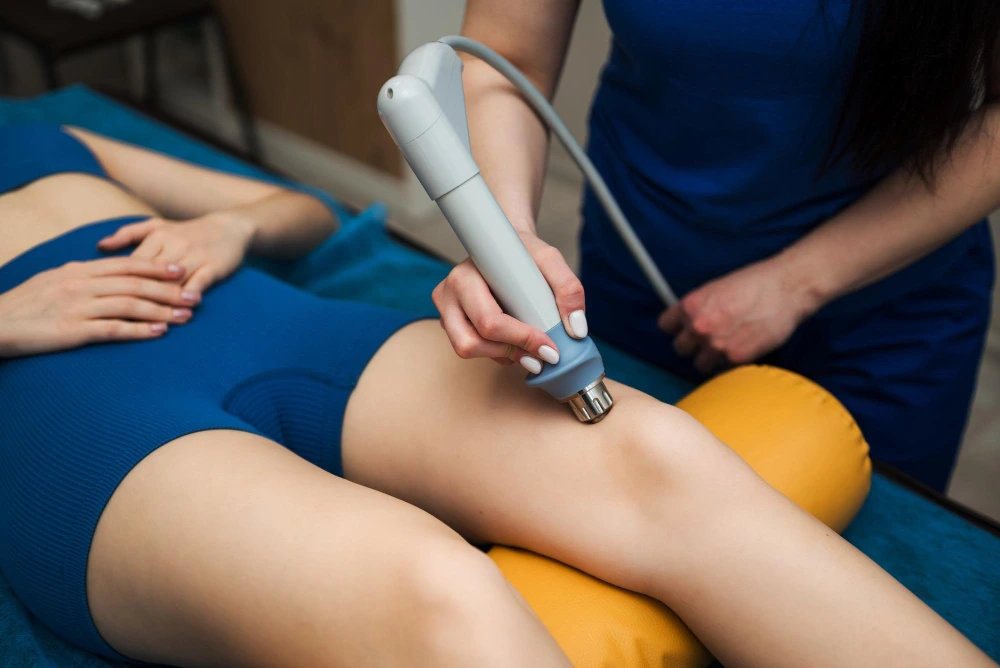
    Shockwave therapy is a non-surgical treatment that uses acoustic pressure waves to stimulate the affected tissues. These waves are delivered to the injured area using a specialized device.

    The treatment helps stimulate local blood circulation, encourage the body’s natural repair processes, and reduce pain in certain musculoskeletal conditions. It is commonly used for tendon-related problems and other soft-tissue injuries.

    1. Helps Relieve Sports-Related Pain

    Pain is one of the biggest challenges athletes face after an injury. Shockwave therapy may help reduce discomfort by influencing pain signals and supporting the healing process.

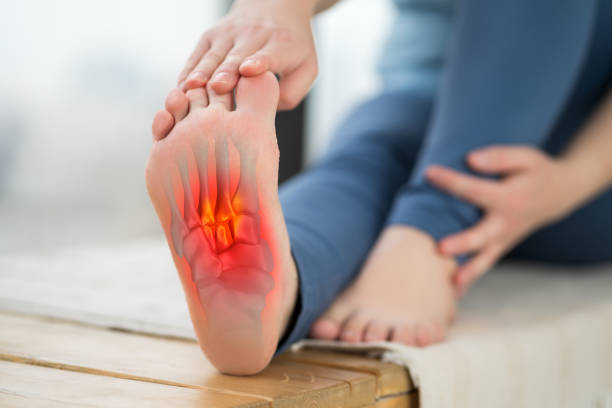
    It is commonly used for conditions such as tennis elbow, golfer’s elbow, Achilles tendinopathy, plantar fasciitis, and certain shoulder and knee tendon problems. Reduced pain can make it easier to return to daily activities and rehabilitation exercises.

    2. Supports Natural Tissue Healing

    One of the key advantages of shockwave therapy is its ability to stimulate the body’s natural healing response. The acoustic waves may encourage cellular activity and improve circulation around the affected tissues.

    Better blood flow can support the delivery of oxygen and nutrients needed for tissue repair. This makes shockwave therapy a useful option for certain injuries that have been slow to improve.

    3. Improves Mobility and Flexibility

    Sports injuries can cause stiffness, restricted movement, and reduced flexibility. These problems can affect athletic performance and make simple activities uncomfortable.

    By helping manage pain and supporting tissue recovery, shockwave therapy may improve movement in the affected area. When combined with appropriate stretching and rehabilitation exercises, it can help individuals gradually regain flexibility and function.

    4. Non-Surgical and Drug-Free Treatment

    Another major advantage is that shockwave therapy is non-invasive. It does not require surgical incisions or anesthesia and generally involves short treatment sessions.

    For suitable patients, it can offer an alternative or addition to other conservative treatment approaches. It may also help reduce the need to rely solely on pain-relief medication, although treatment decisions should always be made with a healthcare professional.

    5. Supports Recovery from Chronic Sports Injuries

    Some sports injuries do not heal as quickly as expected. Repeated movements, excessive training, and inadequate recovery can contribute to long-lasting tendon pain.

    Shockwave therapy may be helpful for selected chronic conditions, particularly persistent tendon problems. A personalized treatment plan can help address the injury while supporting a gradual return to physical activity.

    6. Complements Sports Rehabilitation

    Shockwave therapy often works best as part of a comprehensive recovery program. Combining it with physical therapy, strengthening exercises, proper rest, and activity modification can support better functional recovery.

    Get Back to Your Active Lifestyle!

    Sports injuries should not keep you away from the activities you love. Shockwave therapy offers a non-invasive approach that may help relieve pain, support natural healing, and improve mobility in suitable conditions.

    If you are experiencing persistent sports-related pain or a slow-healing injury, consult a qualified healthcare professional to find out whether shockwave therapy is right for you. Take the first step toward recovery and get back to doing what you love!
  • Focused Shockwave Therapy for Pain Relief: A Modern Approach to Healing

    Focused Shockwave Therapy for Pain Relief: A Modern Approach to Healing

    Living with ongoing pain can affect almost every part of your day. Whether it comes from an old injury, a stubborn tendon problem, or a painful joint, finding effective relief can sometimes feel difficult. Focused shockwave therapy is a non-invasive treatment option that is gaining attention for its potential to support healing and reduce pain.

    But what exactly is it, and how can it help?

    What Is Focused Shockwave Therapy?

    Focused shockwave therapy uses concentrated sound waves to deliver energy to a specific area of the body. Unlike treatments that work mainly on the surface, focused shockwaves can reach deeper tissues.

    The treatment is designed to stimulate the body’s natural healing response. It may improve local blood flow, support tissue repair, and help reduce pain in certain musculoskeletal conditions.

    How Does It Help With Pain?

    Persistent pain can sometimes occur when injured or irritated tissues have difficulty healing properly. Focused shockwave therapy may help by stimulating biological processes involved in tissue recovery.

    The energy delivered to the treatment area can encourage circulation and cellular activity. Over time, this may help support the body’s natural repair process.

    The goal is not simply to mask pain. Instead, focused shockwave therapy aims to address some of the factors contributing to ongoing discomfort.

    Conditions That May Benefit

    Focused shockwave therapy may be used for a variety of soft-tissue and musculoskeletal problems. Depending on the individual, it may be considered for:

    • Plantar fasciitis and heel pain
    • Tennis elbow and golfer’s elbow
    • Tendon-related injuries
    • Shoulder pain
    • Achilles tendon problems
    • Chronic muscle pain
    • Certain sports and overuse injuries

    A healthcare professional can determine whether this treatment is suitable based on the cause and location of your pain.

    What Happens During Treatment?

    A focused shockwave therapy session is generally performed in an outpatient setting. The provider identifies the treatment area and positions the device over the affected tissue.

    The device delivers controlled shockwaves to the targeted area. Some patients may experience mild discomfort during treatment, but the intensity can often be adjusted according to individual tolerance.

    Sessions are typically relatively short, and there is usually little to no downtime. Your provider will recommend the number and frequency of sessions based on your condition and treatment goals.

    Benefits of Focused Shockwave Therapy

    One of the biggest advantages of focused shockwave therapy is that it is non-invasive. It does not require surgery or incisions and may allow you to return to normal activities quickly.

    Other potential benefits include:

    • Targeted treatment of painful areas
    • Support for the body’s natural healing process
    • No surgical incision
    • Minimal downtime
    • Useful for certain chronic and stubborn conditions
    • Can be combined with rehabilitation and other conservative treatments

    Results can vary, and improvement may occur gradually rather than immediately.

    Is It Right for You?

    Focused shockwave therapy can be a valuable option for people who have not achieved enough relief from conventional approaches. However, it is not appropriate for every condition or every patient.

    A proper evaluation is important to identify the underlying cause of pain and determine whether shockwave therapy is suitable.

    Take a Step Toward Pain Relief

    You do not have to let persistent pain limit your movement and everyday activities. Focused shockwave therapy offers a modern, non-invasive approach that may support healing and improve comfort.

    If you are struggling with ongoing muscle, tendon, or joint pain, speak with a qualified healthcare professional to find out whether focused shockwave therapy could be part of your personalized treatment plan.

  • How Effective Is Shockwave Therapy?

    How Effective Is Shockwave Therapy?

    Shockwave therapy is a non-invasive treatment that uses high-energy sound waves to stimulate the body’s natural healing processes. These acoustic waves are directed at injured tissues—such as tendons, ligaments, or muscles—to improve blood flow, break down calcifications, and reduce pain.

    It has become popular because it often offers relief where traditional treatments like rest, medication, or basic physiotherapy haven’t worked well enough. Sessions are quick, there’s little to no downtime, and the risks are relatively low compared to surgery or injections. As patients and clinicians look for effective, evidence-based options with faster recovery and fewer side effects, shockwave therapy has emerged as a standout choice.

    How Effective Is Shockwave Therapy for Plantar Fasciitis and Heel Pain?

    Shockwave therapy has emerged as a promising, non‑invasive option for stubborn plantar fasciitis and chronic heel pain. It works by delivering high‑energy sound waves to the affected tissue, stimulating blood flow and kick‑starting the body’s natural healing response. 

    Studies show that many patients experience significant pain reduction and improved function, especially when conservative treatments like rest, stretching, orthotics, and anti‑inflammatories haven’t provided enough relief. 

    Results are not instant; improvement typically builds gradually over several weeks after a short series of sessions. While some people feel temporary soreness during or after treatment, serious side effects are rare when performed by a trained clinician. Shockwave therapy isn’t a guaranteed cure, but for persistent heel pain, it can be an effective next step before considering more invasive options such as injections or surgery.

    Shockwave Therapy for Tendon and Sports Injuries: Does It Really Work?

    It is most commonly used for chronic conditions like plantar fasciitis, Achilles tendinopathy, tennis elbow, and stubborn shoulder or hip tendon pain that hasn’t improved with rest, physiotherapy, or medication. The shockwaves are thought to increase blood flow, break down painful tissue changes, and trigger the body’s natural repair processes. 

    Research shows it can significantly reduce pain and improve function in many chronic tendon problems, especially when combined with a structured rehab and strengthening program. However, results can vary: some people experience clear benefits after a few sessions, while others notice only modest change. It is generally safe, with temporary soreness or redness as the most common side effects. 

    Shockwave therapy is not a magic cure, but for persistent tendon and sports injuries, it can be a valuable option to discuss with a sports medicine or physiotherapy professional.

    Comparing Shockwave Therapy to Other Treatment Options

    When comparing shockwave therapy to other treatment options like rest, physical therapy, injections, or surgery, its main advantage is that it targets the injured tissue non-invasively and stimulates natural healing. Unlike painkillers or steroid injections, which mostly mask symptoms, shockwave therapy aims to address the root cause by improving blood flow and breaking down damaged tissue. It also involves minimal downtime compared to surgery and is generally safer, with fewer side effects. However, it may require several sessions, can be uncomfortable during treatment, and isn’t suitable for every condition or every patient, so it’s best weighed against other options with a qualified clinician.

  • Finding Relief: How Class IV Laser Therapy and Shockwave Therapy Offer Hope for Neuropathy Treatment

    Finding Relief: How Class IV Laser Therapy and Shockwave Therapy Offer Hope for Neuropathy Treatment

    Neuropathy refers to damage or dysfunction of the nerves, often resulting in symptoms like numbness, tingling, weakness, or pain—most commonly in the hands and feet. It can be caused by various factors such as diabetes, infections, injuries, or exposure to toxins. Early detection and proper management are crucial to prevent further nerve damage and improve quality of life. In this blog, we shall see how Class IV laser therapy and Shockwave therapy offers hope for Neuropathy.

    How Class IV Laser Therapy Helps in Treating Neuropathy

    Class IV laser therapy for neuropathy is rapidly gaining recognition as a non-invasive and effective treatment option. This advanced therapy utilizes high-powered lasers to penetrate deep into tissues, stimulating cellular repair and reducing inflammation. The primary benefit of Class IV laser therapy lies in its ability to increase blood flow to affected areas, which helps deliver essential nutrients and oxygen needed for nerve healing.

    Patients suffering from neuropathy often experience symptoms such as tingling, numbness, burning sensations, or weakness. By targeting these symptoms at the source, Class IV laser therapy can help reduce pain and discomfort without the need for medication or surgery. Many patients report improved nerve function and a noticeable decrease in their neuropathic symptoms after just a few sessions.

    Additionally, this form of laser therapy accelerates tissue repair by promoting ATP (adenosine triphosphate) production within cells. This energy boost enhances the body’s natural healing processes and supports long-term recovery. Overall, the benefits of Class IV laser therapy for neuropathy include pain reduction, improved mobility, faster healing times, and an enhanced quality of life—making it a promising option for those seeking relief from chronic nerve pain.

    The Science Behind Shockwave Therapy in Neuropathy Treatment

    Shockwave therapy for nerves, also known as extracorporeal shockwave therapy (ESWT), is an innovative approach gaining attention in the field of regenerative medicine for neuropathy. This non-invasive treatment uses focused acoustic waves to stimulate healing processes within the affected nerves and surrounding tissues. But how does shockwave work on nerves? The science lies in its ability to promote cellular regeneration and enhance blood flow.

    When applied to areas impacted by neuropathy, ESWT delivers controlled mechanical energy that triggers a cascade of biological responses. These include the release of growth factors, increased production of collagen, and improved microcirculation—all crucial elements for nerve repair and regeneration. Studies suggest that shockwave therapy may reduce inflammation, encourage nerve cell proliferation, and even help restore normal nerve function over time.

    As regenerative medicine for neuropathy continues to evolve, shockwave therapy stands out as a promising tool. It offers hope for patients seeking alternatives to medications or invasive procedures by harnessing the body’s own capacity to heal damaged nerves naturally.

    When combined, Class IV Laser Therapy and Shockwave Therapy offer a synergistic approach to neuropathy care. The laser’s deep tissue stimulation complements the regenerative effects of shockwaves—together they can accelerate recovery times, enhance pain relief outcomes, and support long-term nerve health. Many clinicians are now incorporating both therapies into customized treatment plans to maximize results for patients living with neuropathic symptoms.

  • Exploring the Conditions Treated by Shockwave Therapy

    Exploring the Conditions Treated by Shockwave Therapy

    Shockwave therapy is a non-invasive treatment that’s gaining traction for its ability to alleviate pain and promote healing. So, what exactly is it? In simple terms, shockwave therapy involves sending acoustic waves into the affected area of the body. These sound waves stimulate circulation, break down scar tissue, and encourage cellular repair.

    The process is pretty straightforward. A healthcare professional uses a device that emits these shockwaves, targeting specific areas where you’re experiencing discomfort. 

    What makes it appealing? For starters, it’s quick—each session typically lasts around 15 to 20 minutes—and most people experience minimal discomfort during the procedure. Plus, many patients report noticeable improvement after just a few sessions. So if you’re looking for an effective way to tackle pain without surgery or long recovery times, shockwave therapy might be worth considering!

    Common Musculoskeletal Conditions Treated by Shockwave Therapy

    Shockwave therapy has emerged as a popular treatment option for various musculoskeletal conditions, and for good reason. Here’s a candid look at some of the common issues that can benefit from this innovative therapy:

    • Plantar Fasciitis
    • Tendinitis
    • Achilles Tendinopathy
    • Shoulder Pain
    • Hip Bursitis
    • Tennis Elbow 
    • Knee Pain 

    Shockwave Therapy for Sports Injuries: Benefits and Applications

    Shockwave therapy has emerged as a revolutionary treatment option for various sports injuries, offering numerous benefits that can significantly enhance recovery. Here’s a list of its key applications and advantages:

    • Effective Treatment for Muscle Strains
    • Ligament Injury Recovery
    • Pain Reduction
    • Non-Invasive Procedure
    • Accelerated Recovery Acceleration
    • Improved Range of Motion

    The Role of Shockwave Therapy in Orthopedic Rehabilitation

    Shockwave therapy has emerged as a significant tool in orthopedic rehabilitation, offering a non-invasive treatment option for various musculoskeletal conditions. This innovative therapy utilizes acoustic waves to stimulate healing and reduce pain in affected tissues.

    The primary role of shockwave therapy is to enhance blood circulation, promote cellular repair, and decrease inflammation in injured areas. It is particularly effective for conditions such as tendinitis, plantar fasciitis, and calcific shoulder injuries. By delivering focused energy to the targeted site, patients often experience faster recovery times and improved mobility.

    Incorporating shockwave therapy into rehabilitation protocols can complement traditional treatments like physical therapy or medication. As research continues to support its efficacy, it is becoming an integral part of comprehensive orthopedic care strategies aimed at optimizing patient outcomes.

    In conclusion, determining whether Shockwave Therapy is the right treatment option for you involves careful consideration of your specific condition and personal health goals. However, it’s essential to consult with a healthcare professional to evaluate your individual circumstances and explore all available treatment options. By doing so, you can make an informed decision that aligns with your needs and ultimately enhances your quality of life. Remember, the best path to recovery is one tailored specifically for you.