
Category: Uncategorized

  • Car Crash Treatment at Vinings Spine & Wellness: Your Path to Healing and Recovery

    Car Crash Treatment at Vinings Spine & Wellness: Your Path to Healing and Recovery

    Experiencing a car accident can be both physically and emotionally overwhelming. Even if you feel fine immediately after a collision, it’s important to recognize that car accident injuries aren’t always obvious right away. The effects of a car crash often go beyond visible bruises or cuts; some of the most common auto accident trauma, such as whiplash, may not present symptoms until hours or even days later.

    Whiplash, for example, occurs when your neck is suddenly forced back and forth—much like the cracking of a whip. This injury can lead to persistent pain, stiffness, headaches, and even cognitive issues if left untreated. Besides whiplash, hidden injuries after collision may include soft tissue damage, concussions, or internal injuries that are not immediately apparent.

    Taking care of yourself after an accident means paying close attention to your body’s signals in the days following the event. If you notice new aches, dizziness, swelling, or changes in how you feel emotionally or physically—even if they seem minor—seek medical attention promptly. 

    The Vinings Spine & Wellness Approach to Car Crash Treatment

    At Vinings Spine & Wellness, we understand that every car crash is a uniquely stressful experience—physically, emotionally, and mentally. That’s why our approach to car crash treatment goes beyond simply addressing symptoms. We believe in personalized treatment plans tailored to your specific injuries and recovery goals. Our integrated wellness center brings together experienced professionals who focus on holistic healing after a car crash, ensuring that your body and mind are cared for throughout the recovery process.

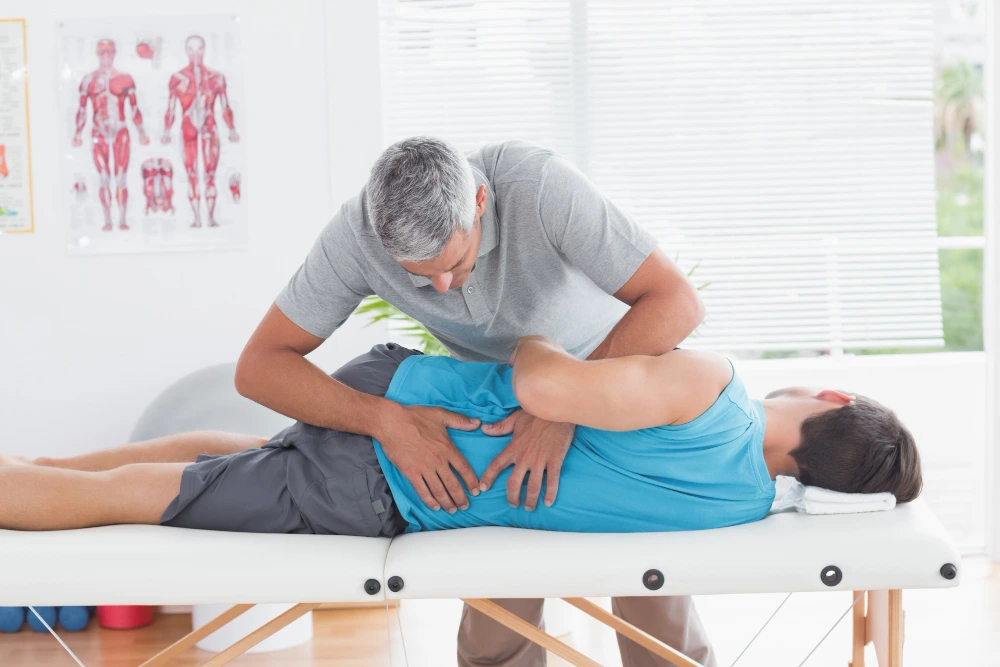
    Our team specializes in chiropractic care for accidents, using gentle adjustments and therapeutic techniques to help restore proper alignment and relieve pain. But our commitment doesn’t stop there—we incorporate massage therapy, rehabilitation exercises, and lifestyle guidance into your care plan to promote long-term healing. At Vinings Spine & Wellness, you’re not just another patient; you’re part of our community. We’re here to support you every step of the way on your journey back to health and well-being.

    Treatments and Therapies Available for Car Accident Injuries at Vinings

    Recovering from a car accident is not just about healing physical injuries—it’s about restoring your whole sense of well-being. At an integrated wellness center, you’ll find a supportive environment where your unique needs are truly understood. Personalized treatment plans are at the heart of effective recovery, ensuring that every aspect of your injury and daily life is considered.

    Holistic healing after a car crash often combines several therapies to address both visible and underlying trauma. Chiropractic care for accidents is especially valuable, as it helps realign the spine, relieve pain, and restore mobility without relying solely on medication. Many patients also benefit from massage therapy, gentle exercise programs, and even nutritional guidance—all working together to support your body’s natural healing process.

    Remember, you don’t have to face recovery alone. With compassionate professionals guiding you through personalized treatments in an integrated wellness center, you can take confident steps toward complete healing—physically, emotionally, and mentally—after a car accident.

  • Personal Injury Treatment at Vinings, Atlanta

    Personal injuries can occur in a variety of settings and often result in significant physical, emotional, and financial challenges. Understanding the most common types of personal injuries can help individuals recognize their rights and seek appropriate care or legal assistance.

    Auto accident injuries are among the most prevalent personal injury cases. These can range from minor bruises and whiplash to more severe conditions such as broken bones, traumatic brain injuries, or spinal cord damage. Prompt medical attention is crucial after any vehicle collision to ensure proper diagnosis and treatment.

    Slip and fall injuries frequently happen in public spaces, workplaces, or private properties due to hazardous conditions like wet floors, uneven surfaces, or poor lighting. Such incidents can lead to sprains, fractures, head injuries, or even long-term mobility issues.

    Workplace injuries encompass a wide spectrum of accidents that occur on the job. Common examples include repetitive strain injuries from manual labor or computer use, machinery accidents causing cuts or amputations, and falls from heights at construction sites. Employers are required by law to maintain safe working environments to minimize these risks.

    Sports injuries affect both amateur and professional athletes alike. These may involve sprains, strains, dislocations, concussions, or ligament tears resulting from vigorous physical activity or contact sports. Proper training techniques and safety equipment play a vital role in prevention.

    Awareness of these common types of personal injuries—auto accident injuries, slip and fall injuries, workplace injuries, and sports injuries—can empower individuals to take preventive measures while also knowing when to seek help if an injury occurs.

    The Importance of Immediate Medical Attention After an Accident

    Immediate medical attention after an accident is crucial for several reasons. Early intervention for personal injury can significantly improve outcomes, as prompt injury assessment helps identify hidden injuries that may not be immediately apparent. Seeking urgent care after an accident ensures that even minor symptoms are evaluated by a healthcare professional, reducing the risk of complications and long-term damage. 

    Additionally, obtaining a timely medical evaluation creates a clear record of your injuries, which can be essential if you need to pursue an insurance claim or legal action later on. Prioritizing your health through immediate care not only supports a faster recovery but also protects your rights in the aftermath of an accident.

    Treatment Options Available at Vinings

    At Vinings Spine and Wellness, patients have access to a comprehensive range of treatment options tailored to address various health concerns. Our clinic specializes in chiropractic care, which focuses on spinal alignment and holistic healing. Chiropractic adjustments can help relieve pain, improve mobility, and promote overall wellness.

    For individuals recovering from injuries or seeking to enhance their physical function, our physical therapy services are designed to restore strength, flexibility, and movement. We offer customized rehabilitation programs for those dealing with personal injury cases such as auto accidents or workplace incidents. Our team works closely with each patient to ensure a safe and effective recovery process.

    Pain management is another cornerstone of our practice. We utilize evidence-based techniques to reduce discomfort related to chronic conditions or acute injuries. Whether you’re experiencing back pain, neck pain, or joint issues, our experienced professionals will develop a personalized plan that addresses your unique needs.

    In addition to these core services, we provide comprehensive rehabilitation services aimed at supporting long-term recovery and preventing future injuries. At Vinings Spine and Wellness, we are committed to helping you achieve optimal health through compassionate care and proven therapeutic methods.

  • Chiropractic Care for Headaches and Migraines

    Chiropractic Care for Headaches and Migraines

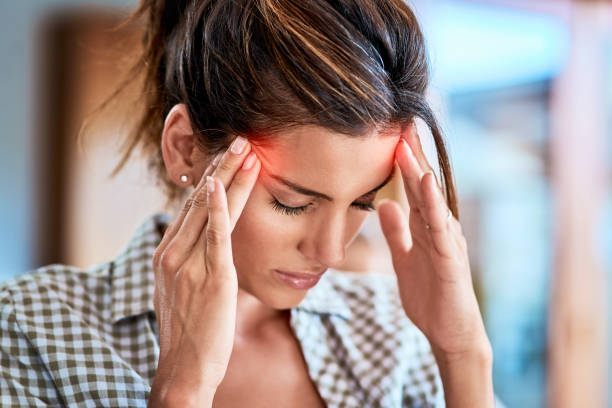
    Living with headaches and migraines can be an incredibly challenging experience that affects every aspect of daily life. It’s frustrating to search for relief, trying different remedies and treatments with varying degrees of success. That’s where chiropractic care comes into play. 

    Many people don’t realize that chiropractic adjustments can help alleviate headache symptoms by addressing underlying issues in the spine and nervous system. In this blog, we’ll explore how regular visits to a chiropractor could be a game-changer for managing your headaches and migraines.

    How Chiropractic Care Works

    Chiropractic care has emerged as a popular alternative treatment for headaches and migraines, focusing on the relationship between the spine and overall health. The primary principle behind chiropractic care is that misalignments in the spine, known as subluxations, can cause nerve interference and lead to various health issues, including headaches.

    When a patient visits a chiropractor for headache relief, the practitioner typically begins with a thorough examination to assess spinal alignment and identify any areas of tension or dysfunction. Treatment often involves spinal adjustments aimed at restoring proper alignment and function to the spine. These adjustments can help alleviate pressure on nerves, improve blood flow, and promote better overall communication within the nervous system.

    In addition to spinal manipulation, chiropractors may employ other techniques such as soft tissue therapy, stretching exercises, and lifestyle recommendations to help manage headache triggers. Many patients report significant relief from their symptoms after undergoing chiropractic treatment, highlighting its effectiveness as a complementary approach to traditional medical options for managing headaches and migraines. Overall, chiropractic care offers a holistic perspective on treating these common ailments by addressing underlying structural issues rather than simply masking symptoms with medication.

    Lifestyle Changes and Home Remedies to Enhance Chiropractic Treatment Outcomes

    Chiropractic treatment can be significantly enhanced by implementing certain lifestyle changes and home remedies that support overall wellness. These adjustments not only complement the manual therapies performed by chiropractors but also promote long-term health benefits.

    First, maintaining a balanced diet rich in anti-inflammatory foods can aid in recovery and improve spinal health. Incorporating fruits, vegetables, whole grains, and healthy fats can help reduce inflammation and support tissue healing. Staying hydrated is equally important; proper hydration helps maintain spinal disc integrity and supports overall bodily functions.

    Regular physical activity is another vital component. Engaging in low-impact exercises such as walking, swimming, or yoga can strengthen core muscles that provide stability to the spine while improving flexibility. This proactive approach creates a supportive environment for chiropractic adjustments to take effect.

    In addition to diet and exercise, integrating practices like proper ergonomics at work or during daily activities can prevent strain on the spine. Using supportive chairs or adjusting computer screens to eye level are simple modifications that can make a significant difference.

    Finally, certain home remedies such as applying heat or cold therapy post-treatment may alleviate discomfort and enhance recovery further. Heat pads can relax tightened muscles while cold packs reduce inflammation after an adjustment.

    By adopting these lifestyle changes and home remedies alongside chiropractic care, individuals can maximize their treatment outcomes and foster lasting wellness.

  • Why Weight Loss with Proper Nourishment is Crucial for Your Health and Well-being

    Why Weight Loss with Proper Nourishment is Crucial for Your Health and Well-being

    Understanding the Importance of Proper Nourishment in Weight Loss

    Proper nourishment plays a critical role in successful weight loss, serving as the foundation for sustainable health and well-being. When embarking on a weight loss journey, it is essential to focus not just on calorie reduction but also on the quality of the foods consumed. Nutrient-dense foods, such as fruits, vegetables, whole grains, lean proteins, and healthy fats, provide the body with essential vitamins and minerals that support metabolic processes and overall health.

    Understanding macronutrients—carbohydrates, proteins, and fats—is vital for creating a balanced diet that fuels workouts and daily activities while promoting fat loss. For instance, incorporating adequate protein can enhance muscle retention during weight loss efforts and increase satiety levels. Additionally, healthy fats are crucial for hormone regulation and can help curb cravings when consumed in moderation. Ultimately, understanding the importance of nourishing the body with wholesome foods is key to achieving sustainable weight loss goals.

    Why Nourishing Your Body Affects Your Mindset During Weight Loss

    The connection between mental health and nutrition is increasingly recognized as a vital aspect of successful weight loss journeys. When individuals embark on dieting, the psychological effects can be profound, influencing not only their physical well-being but also their emotional state. Understanding this relationship is crucial for fostering a healthy mindset during weight loss.

    One significant factor to consider is emotional eating, where individuals may turn to food for comfort rather than hunger. This behavior can derail weight loss efforts and lead to feelings of guilt or shame. By focusing on mindful eating practices, individuals can cultivate a more positive relationship with food. Mindful eating encourages awareness of hunger cues and promotes savoring each bite, which helps prevent overeating and enhances satisfaction.

    Moreover, nourishing the body with balanced nutrition has direct implications for mental health. Foods rich in vitamins, minerals, and omega-3 fatty acids can improve mood and reduce anxiety levels. As such, integrating nutrient-dense foods into one’s diet not only supports physical goals but also contributes to a healthier mindset during the weight loss process.

    Therefore, acknowledging the interplay between mental health and nutrition equips individuals with tools to navigate their weight loss journey more effectively. 

    Avoiding Common Pitfalls: The Dangers of Fad Diets and Malnutrition

    Fad diets often promise rapid weight loss and quick results, but the risks associated with these trendy eating plans can far outweigh the benefits. Many of these diets are not based on sound nutritional principles and can lead to malnutrition, as they often restrict essential food groups or nutrients. The consequences of malnutrition can be severe, including weakened immune function, fatigue, and long-term health issues.

    Moreover, fad diets frequently perpetuate diet myths that mislead individuals about healthy eating. For instance, some may claim that certain foods are “bad” while others are “good,” oversimplifying the complex nature of nutrition. It’s crucial to debunk these myths and recognize that sustainable weight loss strategies focus on balanced eating patterns rather than extreme restrictions.

    Instead of falling for the allure of quick fixes, individuals should aim for gradual changes in their diet that promote overall health and well-being. Emphasizing whole foods, regular physical activity, and mindful eating habits can foster a healthier relationship with food while achieving lasting results without the dangers associated with fad diets.

    In conclusion, embracing proper nourishment is essential for achieving lasting weight loss success and enhancing overall health. By prioritizing proper nourishment and making sustainable lifestyle changes, you can cultivate a healthier relationship with food and achieve long-term success in your wellness journey. Remember that every small step counts towards significant improvements in health and well-being.


  • Why is Spinal Decompression Effective for Back Pain Compared to Traditional Methods?

    Why is Spinal Decompression Effective for Back Pain Compared to Traditional Methods?

    If you’re suffering from back pain, you’re certainly not alone. Millions of individuals experience discomfort due to various reasons, ranging from poor posture to injury. Traditional methods for alleviating back pain often include medication, physical therapy, and sometimes invasive surgery. However, a growing number of people are turning to spinal decompression therapy as an alternative treatment option that offers promising results.

    In this blog post, we’ll explore how spinal decompression compares to traditional methods for treating back pain and why it might be worth considering as part of your recovery journey.

    The Science Behind Spinal Decompression and Its Benefits for Back Pain Relief

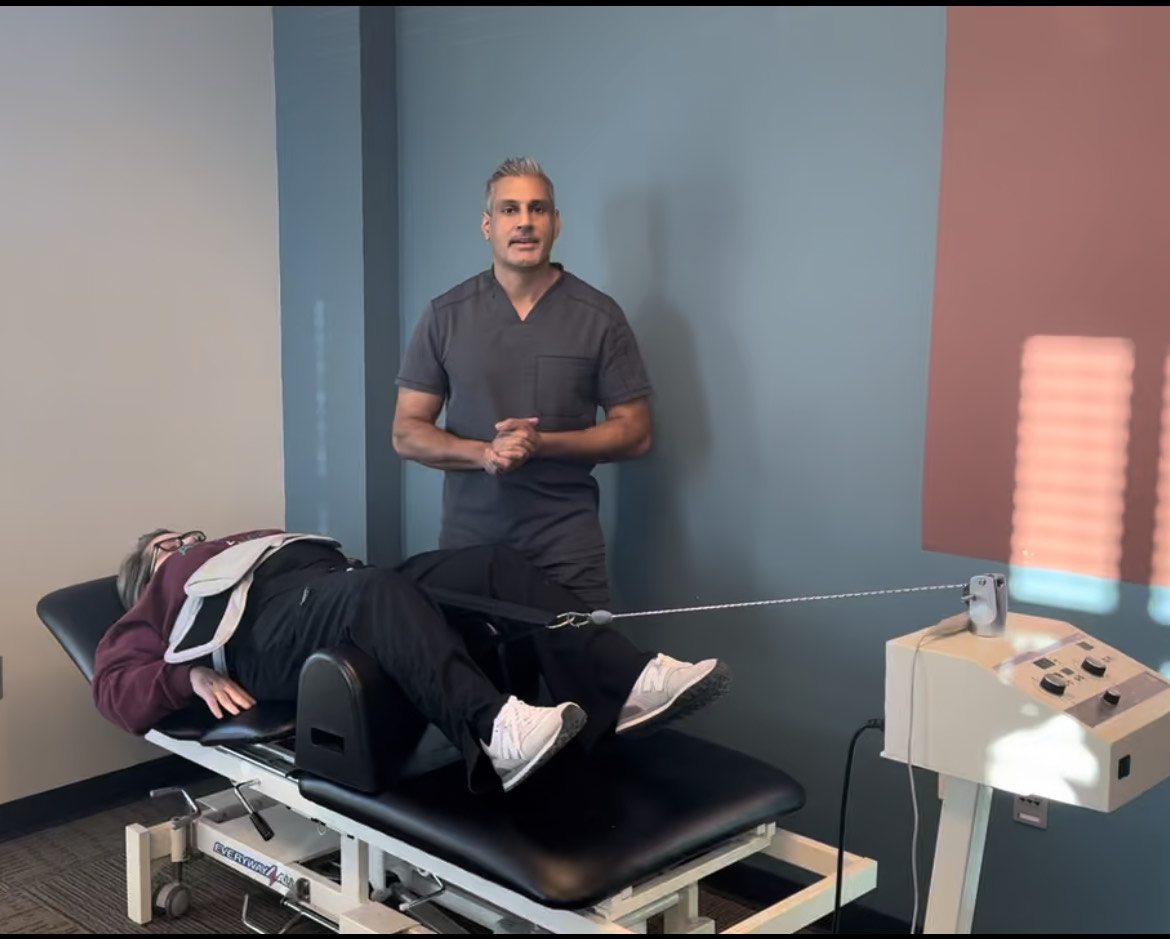
    Spinal decompression therapy is a non-invasive treatment aimed at alleviating back pain and promoting overall spinal health. The science behind this technique lies in its ability to relieve pressure on the intervertebral discs, which act as cushions between the vertebrae in the spine. When these discs become compressed due to various factors such as poor posture, injury, or degenerative conditions, they can lead to pain and discomfort.

    One of the primary benefits of spinal decompression is its effectiveness in reducing pressure on nerves that may be pinched or irritated by herniated or bulging discs. By gently stretching the spine, this therapy creates negative pressure within the discs, allowing them to rehydrate and regain their natural shape. This process not only helps alleviate pain but also promotes healing by improving circulation within the affected areas.

    Additionally, spinal decompression can enhance overall mobility and flexibility by restoring proper alignment of the spine. As a result, patients often experience significant improvements in their quality of life as they find relief from chronic back pain through this innovative treatment option.

    Comparative Analysis: Spinal Decompression vs. Conventional Treatment Methods

    When considering treatment options for spinal issues, it’s essential to understand the differences between spinal decompression therapy and conventional treatment methods such as surgery, physical therapy, or medication. Here’s a comparative analysis of these approaches based on several key factors:

    1. Effectiveness: Spinal decompression therapy is designed to relieve pressure on the spine by gently stretching it, which can alleviate pain and promote healing. In contrast, traditional surgical methods aim to correct structural problems but may come with longer recovery times and potential complications. Studies indicate that while surgery can be effective for severe cases, many patients experience significant relief through non-invasive decompression techniques.
    2. Patient Outcomes: The outcomes of treatment can vary widely between these two methods. Patients who undergo spinal decompression often report improved mobility and reduced pain levels without the risks associated with surgical procedures. However, those opting for surgery may experience immediate relief from specific conditions but face a longer rehabilitation period.
    3. Cost-Effectiveness: From a financial perspective, spinal decompression tends to be more cost-effective than surgery. Surgical interventions often involve high hospital bills, anesthesia costs, and follow-up care expenses that can accumulate quickly. In contrast, non-surgical treatments like spinal decompression usually require fewer sessions at a lower overall cost while providing similar or better long-term results for many patients.

    In summary, when comparing spinal decompression vs. conventional treatment methods like surgery, it’s crucial to consider effectiveness, patient outcomes, and cost-effectiveness in making an informed decision about your healthcare options.

    .

  • The Connection Between Nerve Pain and Other Health Conditions: Understanding the Links

    The Connection Between Nerve Pain and Other Health Conditions: Understanding the Links

    Nerve pain, also known as neuropathic pain, arises from damage or dysfunction in the nervous system. It can manifest as sharp, shooting sensations, burning feelings, or numbness. Common causes include diabetes, injuries, infections, and certain medical conditions like multiple sclerosis. Understanding nerve pain is crucial for effective management and treatment.

    Common Health Conditions Associated with Nerve Pain

    Here are some common health conditions linked to nerve pain:

    1. Diabetes and Nerve Pain: Diabetic neuropathy is a common complication of diabetes, resulting from prolonged high blood sugar levels that damage nerves, particularly in the feet and hands.
    2. Fibromyalgia and Nerve Pain: Fibromyalgia is characterized by widespread musculoskeletal pain, but it often includes nerve-related symptoms such as tingling or burning sensations due to heightened sensitivity in the nervous system.
    3. Multiple Sclerosis and Nerve Damage: Multiple sclerosis (MS) can lead to significant nerve damage as the immune system attacks the protective myelin sheath surrounding nerves, causing various neurological symptoms including pain.
    4. Sciatica Connection: Sciatica occurs when the sciatic nerve is compressed or irritated, often due to herniated discs or spinal stenosis, leading to sharp pain that radiates down the leg.
    5. Arthritis and Neuropathy: Arthritis can cause inflammation that affects nearby nerves, leading to neuropathy symptoms such as numbness or tingling in areas affected by joint issues.

    Recognizing these conditions can aid in early diagnosis and intervention for those experiencing nerve pain.

    The Role of Inflammation in Nerve Pain and Related Disorders

    Inflammation plays a crucial role in the development and exacerbation of nerve pain and related disorders. When the body experiences an injury or infection, the immune system responds by initiating an inflammatory process to protect and heal tissues. However, when this inflammation becomes chronic, it can lead to persistent pain and discomfort.

    In conditions such as neuropathy, multiple sclerosis, and fibromyalgia, inflammation can damage nerve fibers or alter their function. This disruption often results in abnormal pain signals being sent to the brain, leading to heightened sensitivity and chronic pain experiences. Furthermore, inflammatory cytokines—proteins released during inflammation—can influence nerve signaling pathways, amplifying the perception of pain.

    Understanding the relationship between inflammation and nerve pain is essential for developing effective treatment strategies. Therapies that target inflammation may help alleviate symptoms for those suffering from these debilitating conditions. By addressing both the underlying inflammatory processes and providing symptomatic relief, healthcare providers can improve patient outcomes significantly.

    Nerve Pain as a Symptom: When to Seek Medical Attention

    Nerve pain can manifest in various ways, often presenting as sharp, shooting sensations, tingling, or a persistent ache. It is essential to recognize that while nerve pain may sometimes be temporary and linked to minor issues, it can also indicate more serious underlying conditions. Understanding when to seek medical attention is crucial for proper diagnosis and treatment.

    If you experience nerve pain that persists for more than a few days or worsens over time, it is advisable to consult a healthcare professional. Additionally, if the pain is accompanied by other symptoms such as weakness in the limbs, loss of coordination, or changes in bladder or bowel function, these could signal a more significant neurological issue that requires immediate evaluation.

    Other red flags include sudden onset of severe pain after an injury or trauma and any signs of infection like fever or swelling in the affected area. Early intervention can lead to better outcomes and help prevent further complications associated with nerve damage. Always prioritize your health by seeking medical advice when experiencing concerning symptoms related to nerve pain.


  • Understanding Shockwave Therapy for Neuropathy: A Promising Treatment Option

    Understanding Shockwave Therapy for Neuropathy: A Promising Treatment Option

    Neuropathy, a condition characterized by nerve damage, can lead to a range of debilitating symptoms including pain, tingling, and numbness. For those suffering from this often-chronic condition, finding effective treatment options is crucial. In recent years, shockwave therapy has emerged as a promising alternative for alleviating neuropathic pain and improving overall nerve function. 

    The Role of Shockwave Therapy in Treating Neuropathy Symptoms

    Shockwave therapy is emerging as a promising treatment option for individuals suffering from neuropathy symptoms. This non-invasive procedure utilizes acoustic waves to stimulate healing in damaged tissues, promoting blood flow and reducing inflammation.

    Neuropathy, often characterized by pain, tingling, or numbness in the extremities, can significantly impact a person’s quality of life. Traditional treatments may include medications or physical therapy; however, shockwave therapy offers an alternative that targets the underlying issues rather than merely masking the symptoms.

    The treatment works by delivering high-energy sound waves to the affected areas. These waves promote cellular repair and regeneration while also enhancing nerve function. Many patients report improvements in their symptoms following a series of sessions, including reduced pain levels and improved sensory perception.

    Moreover, shockwave therapy is generally well-tolerated with minimal side effects, making it an appealing option for those seeking relief from chronic neuropathic pain. As more research emerges on its effectiveness and applications, shockwave therapy could play a crucial role in comprehensive neuropathy management strategies.

    Comparing Shockwave Therapy with Other Treatments for Neuropathy

    When considering treatment options for neuropathy, Shockwave Therapy stands out as a non-invasive alternative. Unlike traditional methods such as medication or surgery, Shockwave Therapy utilizes acoustic waves to stimulate healing and improve blood flow in affected areas.

    In contrast, medications often come with side effects and may only mask symptoms rather than address the underlying causes. Physical therapy can be beneficial but typically requires a longer commitment and may not provide immediate relief.

    Moreover, surgical interventions carry inherent risks and are usually reserved for severe cases. Shockwave Therapy offers a promising option that is generally well-tolerated and can be used in conjunction with other treatments to enhance overall outcomes for patients suffering from neuropathy.

    What to Expect During a Shockwave Therapy Session for Neuropathy

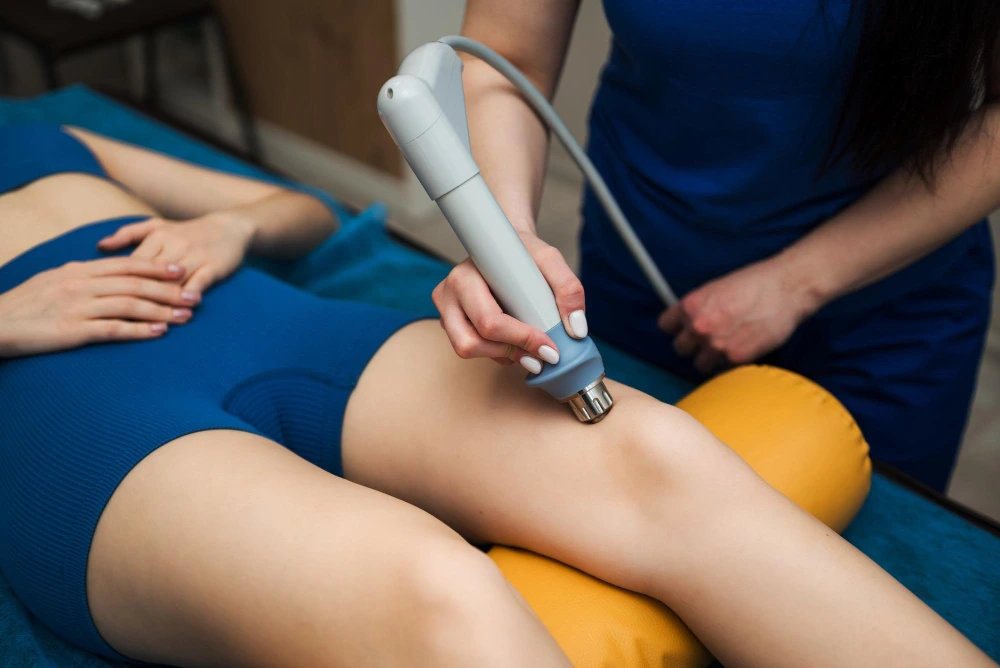
    Shockwave therapy is an innovative treatment option for neuropathy that aims to alleviate pain and promote healing. During a typical session, patients can expect to be comfortably positioned while the therapist applies a handheld device that emits acoustic waves to the affected areas. This non-invasive procedure typically lasts between 15 to 30 minutes, depending on the severity of the condition and the specific areas being treated.

    Before starting, practitioners will usually conduct a thorough assessment of the patient’s medical history and symptoms to tailor the treatment effectively. Patients may experience mild discomfort during the application of shockwaves, but this is generally well-tolerated. Many report feeling immediate relief post-session, although it may take several treatments to achieve optimal results.

    Additionally, it’s essential for patients to discuss any concerns or questions with their healthcare provider beforehand. Understanding what to expect can help ease any anxiety and ensure a more comfortable experience throughout the therapy process. As shockwave therapy continues gaining recognition for its effectiveness in managing neuropathy symptoms, many individuals are finding renewed hope in their journey toward recovery.


  • The Benefits of Class IV Laser for Joint Pain

    The Benefits of Class IV Laser for Joint Pain

    Class IV laser therapy is an innovative treatment option gaining recognition for its effectiveness in alleviating joint pain. This non-invasive therapy utilizes high-powered lasers to penetrate deep into tissues, promoting healing and reducing inflammation. 

    In this blog, we will explore the principles of Class IV laser therapy, its benefits for those suffering from joint pain, and how it compares to traditional treatment methods. By understanding this cutting-edge approach, patients can make informed decisions about their pain management options and discover a potential pathway to relief that aligns with their health goals.

    How Class IV Lasers Work to Alleviate Joint Pain

    Class IV lasers are increasingly recognized for their effectiveness in alleviating joint pain through a sophisticated mechanism of action. These lasers emit high-intensity light that penetrates deep into the tissues, allowing for significant energy absorption. When the laser light interacts with the cells in the affected area, it stimulates various biological processes that contribute to pain relief.

    The primary mechanism involves promoting cellular repair processes. The absorbed energy enhances mitochondrial function within cells, leading to increased adenosine triphosphate (ATP) production. This boost in ATP not only accelerates healing but also reduces inflammation and pain perception. As a result, patients often experience a notable decrease in joint discomfort and an improvement in mobility.

    Additionally, Class IV lasers can stimulate blood flow to the targeted area, further facilitating healing by delivering essential nutrients and oxygen while removing metabolic waste products. This combined effect of enhanced cellular activity and improved circulation makes Class IV laser therapy a promising option for those suffering from chronic joint pain.

    The Top 5 Benefits of Using Class IV Laser Therapy for Joint Pain Relief

    Class IV laser therapy has emerged as a revolutionary non-invasive treatment option for individuals suffering from joint pain. Here are the top five benefits that make this therapy an effective choice:

    Non-Invasive Treatment: Unlike surgical interventions, Class IV laser therapy offers a safe and non-invasive alternative for joint pain relief. Patients can experience significant improvements without the risks associated with surgery or extensive recovery times.

    Reduced Inflammation: One of the primary advantages of Class IV laser therapy is its ability to reduce inflammation in affected joints. By targeting inflamed tissues, this therapy helps alleviate pain and discomfort, promoting a quicker path to recovery.

    Improved Circulation: The therapeutic effects of laser light enhance blood circulation in the treated areas. Improved circulation delivers essential nutrients and oxygen to tissues, facilitating healing and reducing pain associated with joint conditions.

    Enhanced Tissue Healing: Class IV laser therapy stimulates cellular repair processes, leading to enhanced tissue healing. This accelerated healing response not only helps relieve existing pain but also aids in preventing future injuries.

    Increased Range of Motion: Many patients report improved flexibility and range of motion following treatment with Class IV lasers. By addressing underlying inflammation and promoting tissue repair, this therapy can help restore mobility, allowing individuals to engage more fully in their daily activities.

    In conclusion, the healing power of Class IV lasers presents a promising avenue for those suffering from joint pain. As more healthcare professionals adopt this technology, patients are encouraged to explore this innovative treatment option. Whether you are dealing with arthritis, sports injuries, or post-surgical recovery, Class IV laser therapy could be the key to regaining mobility and improving your quality of life. Embrace this cutting-edge approach today and take a proactive step towards healing your joints effectively!


  • The Impact of Lower Back Pain in Daily Life and How Decompression Therapy Can Help

    The Impact of Lower Back Pain in Daily Life and How Decompression Therapy Can Help

    The Impact of Lower Back Pain on Daily Life

    Lower back pain can profoundly affect an individual’s daily life, often transforming simple tasks into daunting challenges. The effects of back pain extend far beyond physical discomfort; they can disrupt daily activities such as bending to tie your shoes, lifting groceries, or even sitting comfortably at a desk. For many, these seemingly mundane actions become sources of frustration and anxiety.

    The emotional impact of chronic pain is equally significant. It can lead to feelings of isolation, helplessness, and sadness as individuals grapple with the limitations imposed by their condition. This emotional burden often intertwines with the physical symptoms, creating a cycle that can be hard to break. Many find that their quality of life diminishes as they struggle to engage in hobbies or social activities they once enjoyed.

    Understanding these challenges is crucial for both those experiencing lower back pain and their loved ones. By acknowledging the multifaceted nature of this condition, we can foster compassion and support for one another during difficult times. It’s important to remember that seeking help—whether through medical intervention or emotional support—is a vital step toward reclaiming a fulfilling life despite the presence of back pain.

    How Decompression Therapy Relieves Lower Back Pain: The Science Behind It

    Decompression therapy has emerged as a promising treatment for individuals suffering from lower back pain, leveraging the principles of spinal mechanics to alleviate discomfort. This non-invasive procedure works by gently stretching the spine, creating negative pressure within the intervertebral discs. This negative pressure can help draw herniated or bulging discs back into their proper position, potentially relieving nerve compression.

    The science behind decompression therapy is rooted in its ability to enhance blood flow and nutrient exchange in the affected areas. By creating space between vertebrae, this therapy allows for improved circulation, which can promote healing and reduce inflammation. Additionally, decompression therapy may help to increase disc height and restore spinal alignment, contributing to enhanced mobility and reduced pain levels.

    Patients undergoing decompression therapy often report significant improvements in their symptoms after a series of treatments. While individual results may vary, many find that this approach not only alleviates their lower back pain but also enhances overall quality of life by enabling them to return to daily activities without discomfort.

    Who Can Benefit from Decompression Therapy? Candidates for Treatment

    Decompression therapy is a specialized treatment designed to alleviate pain and promote healing in the spine and surrounding areas. Various individuals can benefit from this innovative approach, particularly those suffering from specific conditions.

    Candidates for decompression therapy typically include individuals with herniated or bulging discs, as the therapy helps relieve pressure on affected nerves and promotes disc retraction. Additionally, patients experiencing chronic back pain, sciatica, or degenerative disc disease may find significant relief through this non-invasive treatment option.

    Athletes recovering from injuries or those with muscle tension resulting from repetitive strain can also benefit from decompression therapy. By enhancing blood flow and reducing pressure on spinal structures, patients may experience improved mobility and quicker recovery times.

    Furthermore, individuals seeking preventive care to maintain spinal health may consider decompression therapy as part of their wellness routine. Overall, anyone experiencing discomfort related to spinal issues should consult with a healthcare professional to determine if they are suitable candidates for this effective treatment option.