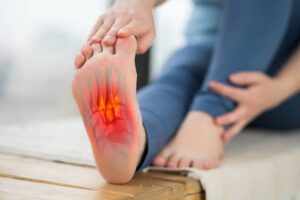
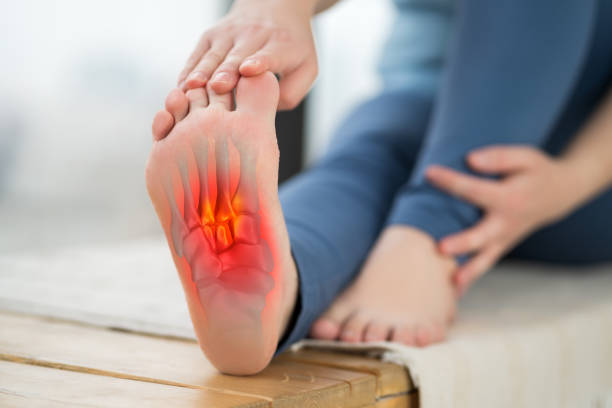
Numbness, tingling, burning, or unexplained weakness may seem like minor problems at first. But when these sensations keep returning, they could be signs of neuropathy. Neuropathy occurs when nerves outside the brain and spinal cord become damaged or irritated. Recognizing the symptoms early can help you seek appropriate care and manage the underlying cause.
What Is Neuropathy?
Peripheral nerves carry messages between your brain, spinal cord, and the rest of your body. When these nerves are damaged, they may not send signals properly. This can affect how you feel movement, temperature, and touch.
Neuropathy can develop for many reasons. Diabetes is a common cause, but certain medications, nutritional deficiencies, infections, alcohol use, injuries, and other medical conditions may also contribute.
Symptoms can vary from person to person depending on the nerves involved.
Numbness and Tingling
One of the most common signs of neuropathy is numbness or tingling, particularly in the hands, fingers, feet, or legs.
You may feel as though your foot or hand has “fallen asleep.” Some people describe the sensation as pins and needles. It may come and go or gradually become more noticeable.
Burning or Shooting Pain
Neuropathy can cause unusual pain that does not always have an obvious cause. You may experience a burning, stabbing, aching, or electric-shock-like sensation.
This discomfort can sometimes become worse at night and may interfere with sleep or daily activities.
Increased Sensitivity
Even gentle touch may feel uncomfortable when nerves are affected. Clothing, bedsheets, or light pressure against the skin may cause pain or irritation.
Some people may also become unusually sensitive to hot or cold temperatures. Reduced sensation can make it harder to notice injuries or burns.
Muscle Weakness and Heaviness
Nerves also help control muscles. When motor nerves are affected, you may notice muscle weakness, heaviness, or difficulty moving certain parts of the body.
Simple activities such as walking, climbing stairs, opening containers, or gripping objects may become more difficult.
Balance and Coordination Problems
Nerve damage in the feet and legs can affect your awareness of where your body is positioned. This may contribute to poor balance, unsteady walking, or frequent falls.
If you notice new or worsening balance problems, it is important to discuss them with a healthcare professional.
Changes in Sensation
Neuropathy does not always cause pain. Some people experience reduced ability to feel touch, pressure, vibration, or temperature.
Because sensation may be reduced, small cuts, blisters, or other injuries can go unnoticed. Regularly checking your feet and skin can be especially important if you have reduced sensation.
When Should You Seek Help?
Occasional tingling may have a simple explanation, but persistent, worsening, or unexplained symptoms deserve medical attention. Early evaluation can help identify possible causes and determine appropriate treatment.
A healthcare professional may review your symptoms and medical history and perform physical or neurological tests. Additional tests may be recommended depending on your situation.
Listen to What Your Nerves Are Telling You
Neuropathy symptoms can be easy to overlook, but your body may be giving you an important warning. Numbness, burning pain, tingling, weakness, and balance problems should not simply be ignored when they persist.
Recognizing symptoms early and addressing the underlying cause can be an important step toward protecting nerve health and maintaining your quality of life.