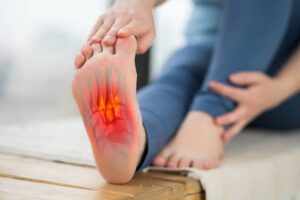
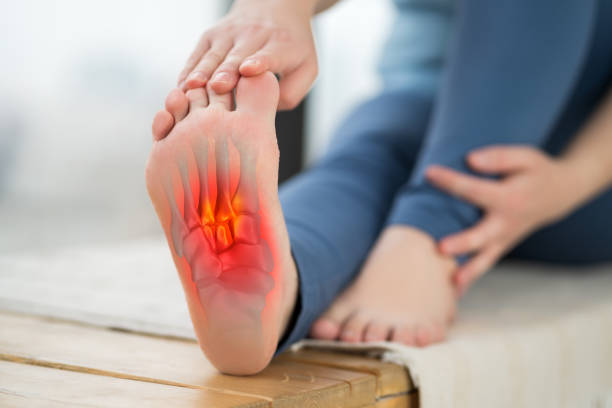
Neuropathy is a condition caused by damage to the peripheral nerves, which carry messages between the brain, spinal cord, and the rest of the body. When these nerves are damaged, people may experience numbness, tingling, burning pain, muscle weakness, or loss of balance—often starting in the hands and feet. It can result from diabetes, infections, autoimmune disorders, chemotherapy, vitamin deficiencies, or even prolonged pressure on nerves.
Advanced treatments matter because they go beyond simply masking pain. Newer approaches aim to protect and repair nerves, improve blood flow, and address the root causes of nerve damage. By using more targeted therapies early, people have a better chance of slowing or even preventing progression, maintaining mobility, and preserving quality of life.
Advanced Medications and Biologic Therapies for Neuropathy
Advanced medications and biologic therapies for neuropathy are designed to target both symptoms and underlying disease mechanisms more precisely than traditional treatments. While standard options like over-the-counter pain relievers or basic antidepressants can help, they often don’t fully address severe or progressive neuropathic pain. Newer approaches aim to calm overactive nerves, reduce inflammation, and in some cases promote nerve repair.
Key options include:
• SNRIs (serotonin–norepinephrine reuptake inhibitors)
• Certain anticonvulsants for nerve stabilization
• Topical high‑concentration capsaicin patches
• Lidocaine patches for localized pain
• Biologic drugs that target specific inflammatory pathways
• Monoclonal antibodies directed at pain-signaling molecules
• Neurotrophic factors and growth factor–based therapies (experimental)
• Gene and cell‑based therapies (in clinical trials)
These advanced and biologic therapies are typically prescribed by specialists, often after first‑line treatments have failed. They may offer better pain control and functional improvement for some patients, but they can come with higher costs, the need for monitoring, and potential side effects. Careful evaluation by a neurologist or pain specialist helps determine which options are appropriate for an individual’s type and severity of neuropathy.
Cutting-Edge Nerve Stimulation and Neuromodulation Techniques
Cutting-edge nerve stimulation and neuromodulation techniques for neuropathy are rapidly expanding, offering more targeted symptom relief and improved quality of life. Key approaches include:
• Transcutaneous electrical nerve stimulation (TENS)
• Peripheral nerve stimulation (PNS)
• Spinal cord stimulation (SCS)
• Dorsal root ganglion (DRG) stimulation
• Scrambler therapy
• Vagus nerve stimulation (VNS)
• High-frequency and burst stimulation modes
• Closed-loop neuromodulation systems
Minimally Invasive Procedures and Interventional Pain Techniques
Minimally invasive procedures and interventional pain techniques for neuropathy focus on targeting pain at its source while reducing trauma to surrounding tissues. These options are typically considered when medications, physical therapy, and lifestyle changes are not providing enough relief, or when side effects of systemic treatments become a concern.
Common minimally invasive and interventional techniques for neuropathic pain include:
• Nerve blocks (peripheral nerve blocks, sympathetic blocks)
• Epidural steroid injections
• Spinal cord stimulation (SCS)
• Dorsal root ganglion (DRG) stimulation
• Peripheral nerve stimulation
• Radiofrequency ablation (conventional or pulsed RF)
• Intrathecal drug delivery systems (pain pumps)
Which option is appropriate depends on the type and location of neuropathy, prior treatments, overall health, and personal goals. These procedures are usually performed by pain management or interventional spine specialists after a thorough evaluation and often as part of a broader, multidisciplinary pain management plan.
In conclusion, evaluating and accessing advanced treatments for neuropathy safely comes down to three essentials: reliable information, qualified providers, and careful monitoring. Start by consulting a neurologist or pain specialist who can explain which options are evidence-based for your specific type and stage of neuropathy. Ask about clinical trial data, potential side effects, and realistic outcomes before beginning any new therapy. Avoid unproven “miracle cures” and always verify that clinics and products are properly licensed and regulated.
Once a treatment is chosen, track your symptoms, side effects, and functional changes, and report them promptly to your care team. By combining medical guidance with your own informed caution, you can explore advanced therapies while protecting your safety and long‑term health.