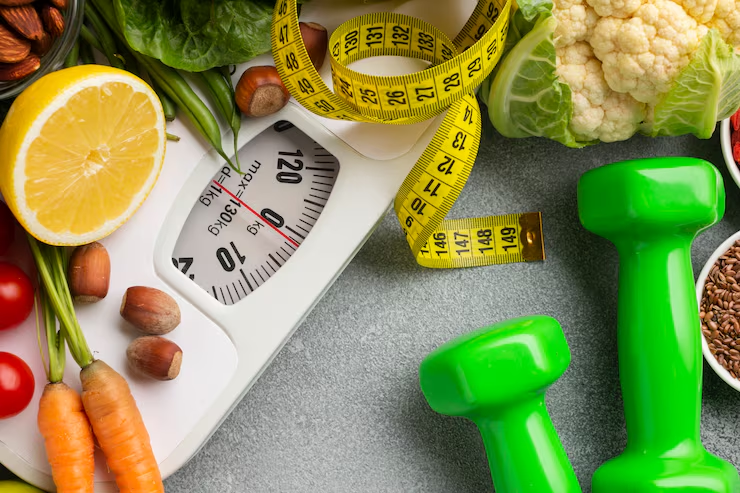
Losing weight does not have to mean following extreme diets or skipping your favorite foods. A healthy approach to weight loss starts with good nutrition, balanced meals, and habits you can maintain over time. The goal is not simply to lose weight quickly but to support your overall health while creating lasting results.
1. Focus on Whole, Nutritious Foods
One of the simplest ways to improve your diet is to choose more whole foods. Add plenty of vegetables, fruits, whole grains, beans, lean proteins, nuts, and seeds to your meals.
These foods provide essential vitamins, minerals, fiber, and other nutrients that help keep your body healthy. They can also help you feel full for longer, making it easier to manage your food intake.
2. Include Protein in Every Meal
Protein plays an important role in healthy weight loss. It can help you feel satisfied and support muscle maintenance while you lose weight.
Good choices include eggs, fish, chicken, Greek yogurt, beans, lentils, tofu, and other lean protein sources. Try adding a protein source to breakfast, lunch, and dinner to create more balanced meals.
3. Choose Fiber-Rich Foods
Fiber can be your best friend when trying to manage your weight. It adds bulk to meals and can help you stay full between meals.
Vegetables, fruits, oats, whole grains, beans, and lentils are excellent sources of fiber. Increase fiber gradually and drink enough water to support healthy digestion.
4. Watch Portion Sizes
Even nutritious foods can contribute to weight gain when eaten in very large portions. Instead of completely avoiding certain foods, pay attention to how much you are eating.
Use smaller plates, eat slowly, and listen to your body’s hunger and fullness signals. Mindful eating can help you enjoy your meals while reducing unnecessary overeating.
5. Limit Added Sugar and Processed Foods
Sugary drinks, sweets, fried foods, and highly processed snacks can add a lot of calories without providing much nutritional value. You do not necessarily need to eliminate them completely, but enjoy them less often and in smaller portions.
Choose water, unsweetened beverages, fresh fruit, and minimally processed snacks more often.
6. Stay Hydrated
Sometimes thirst can feel similar to hunger. Drinking enough water throughout the day can support hydration and help you make better food choices.
Keep a water bottle nearby and make water your main beverage. Your individual fluid needs may vary depending on activity, climate, and health factors.
7. Avoid Extreme Diets
Crash diets may promise quick results, but they can be difficult to maintain. Severe food restrictions may also make it harder to get the nutrients your body needs.
Instead, aim for gradual changes that fit your lifestyle. A sustainable eating pattern is more valuable than a short-term diet.
8. Make Your Meals More Balanced
A simple meal can include vegetables or fruit, a source of lean protein, whole grains or another high-fiber carbohydrate, and a small amount of healthy fat. This combination can provide important nutrients while helping you feel satisfied.
Make Nutrition Your Long-Term Strategy
Healthy weight loss is about more than counting calories. It is about building better eating habits that support your body and fit your daily routine. Combine nutritious meals with regular physical activity, adequate sleep, and consistent habits for a healthier approach to weight management.
If you are unsure where to start, consider speaking with a qualified healthcare professional or nutrition expert for personalized guidance.