Back pain is one of the most common health problems affecting people of all ages. It can make everyday activities like walking, sitting, or even sleeping difficult. While many people rely on pain medications, rest, or surgery to manage back pain, these treatments may not always solve the root cause.
Spinal decompression therapy is a non-surgical treatment that has become a popular option for people looking for lasting relief. It focuses on treating the source of the pain rather than simply reducing the symptoms.
What Is Spinal Decompression?
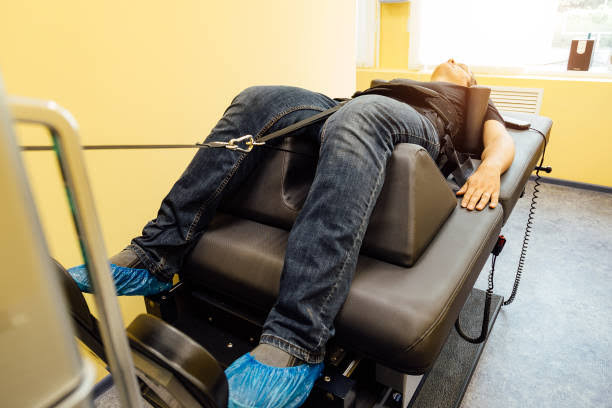
Spinal decompression is a gentle, controlled treatment that stretches the spine using a specialized table. This process creates space between the vertebrae, helping reduce pressure on spinal discs and nerves.
By lowering this pressure, the treatment allows nutrients, oxygen, and fluids to move back into the discs. This supports natural healing and may reduce pain over time.
Traditional Treatments for Back Pain
Many people first try traditional treatments when back pain begins. These may include:
- Pain-relieving medications
- Muscle relaxants
- Rest
- Heat or ice therapy
- Physical therapy
- Injections
- Surgery for severe cases
While these treatments can help manage pain, they may not always address the underlying problem. In some cases, the pain returns once the treatment stops.
Why Spinal Decompression Stands Out
Treats the Root Cause
Instead of only masking pain, spinal decompression targets the pressure on the spinal discs and nerves. This helps improve the condition causing the discomfort.
Non-Surgical and Drug-Free
Unlike surgery, spinal decompression does not require incisions or long recovery periods. It is also a drug-free treatment, making it a good option for people who want to avoid long-term medication use.
Supports Natural Healing
The gentle stretching action encourages better circulation to the spinal discs. This helps deliver the nutrients needed for healing damaged tissues naturally.
Comfortable Treatment
Most patients find spinal decompression relaxing. During the session, the machine applies gentle and controlled movements designed to keep you comfortable.
Minimal Recovery Time
Unlike surgery, there is little to no downtime after a spinal decompression session. Many people can return to their normal daily activities shortly after treatment, depending on their condition and their healthcare provider’s advice.
Conditions That May Benefit
Spinal decompression may help people experiencing:
- Herniated or bulging discs
- Sciatica
- Degenerative disc disease
- Chronic lower back pain
- Neck pain
- Pinched nerves
A healthcare professional can determine whether this treatment is suitable based on your specific condition.
Is It Right for Everyone?
Although spinal decompression is safe for many people, it is not suitable for every patient. Individuals with certain medical conditions, recent fractures, severe osteoporosis, or spinal instability may require different treatment options.
A proper evaluation is always important before starting therapy.
Thoughts to take
Traditional treatments like medication, rest, and injections can provide temporary relief, but they may not always solve the underlying cause of back pain. Spinal decompression offers a non-invasive approach that focuses on reducing pressure within the spine, supporting natural healing, and improving overall function.
If you have been struggling with ongoing back or neck pain and want an alternative to surgery or long-term medication, spinal decompression may be worth exploring. Speak with a qualified healthcare provider to learn whether this treatment is the right choice for your needs.